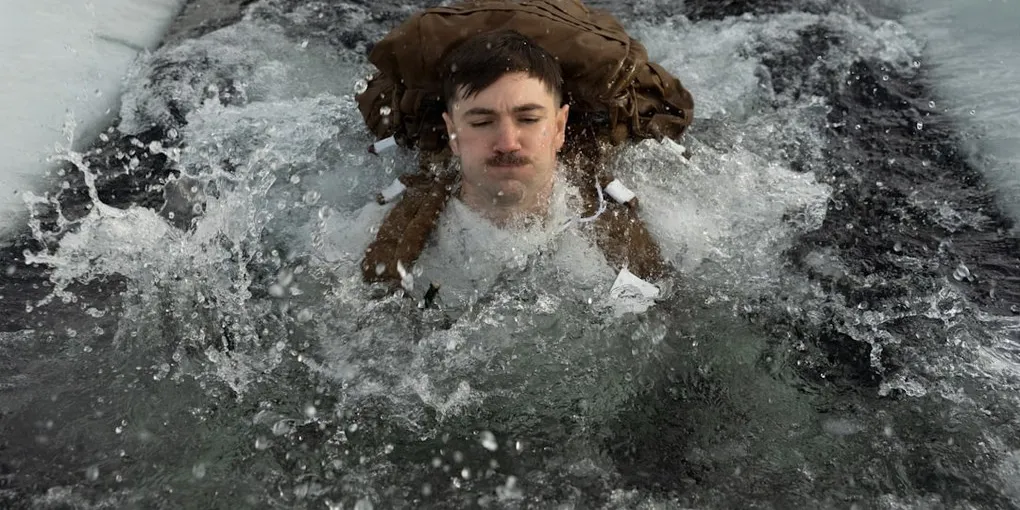
Best Cold Plunge Tub for Home 2026: Ice Barrel vs The Cold Plunge vs DIY
Cold water immersion has moved from the fringes of athletic performance to mainstream wellness. Athletes across professional sports have adopted it as a recovery tool, and the peer-reviewed research on its mechanisms — reduced inflammation, mood elevation via catecholamine release, faster recovery — is genuinely compelling.
But if you want a cold plunge at home, you face a confusing market with prices ranging from $200 (a stock tank) to $10,000+ (a self-chilling therapeutic unit). This guide helps you find the right setup for your budget, space, and goals.
The Science: What Cold Plunging Actually Does
Before spending money, understand what the research actually supports:
Inflammation and recovery: Cold water immersion significantly reduces markers of exercise-induced muscle damage and inflammation. Studies on athletes show reduced creatine kinase (muscle damage marker) and faster return to performance. This is well-documented.
Mood and catecholamines: Srámek et al. (2000) found that cold water immersion at 14°C increased plasma dopamine by 250% and norepinephrine by 530%, with effects lasting several hours post-immersion (Srámek P, Simecková M, Janský L, Savlíková J, Vybíral S. “Human physiological responses to immersion into water of different temperatures.” Eur J Appl Physiol. 2000;81(5):436–442. doi:10.1007/s004210050065. PMID: 10751106). The mood elevation from these catecholamine surges is well-documented across multiple independent studies.
Brown fat activation: Cold exposure activates brown adipose tissue (BAT), which generates heat by burning calories. Regular cold exposure may improve metabolic health over time.
Cortisol adaptation: Regular cold exposure trains the stress response, improving your ability to stay calm under pressure — a carryover into daily life.
Sleep: Cold plunges in the late afternoon or early evening may improve sleep by lowering core body temperature. Avoid cold plunges immediately before bed as the norepinephrine spike can be stimulating.
Evidence-based protocol (synthesized from peer-reviewed literature):
- Temperature: 50–60°F (10–15°C) — the range used in the majority of recovery and catecholamine research
- Duration: 2–3 minutes per session — sufficient stimulus without excessive cold stress (Bleakley CM, Davison GW. Br J Sports Med. 2010;44(3):179–187. doi:10.1136/bjsm.2009.063362. PMID: 19945928)
- Frequency: 3–4 sessions per week minimum for measurable benefits
- Timing: Morning or early afternoon for energizing effects; avoid within 1 hour of bedtime due to norepinephrine-mediated arousal
The Home Cold Plunge Options: Overview
Category 1: Purpose-Built Cold Plunge Tubs (No Chilling)
These are specially designed tubs without integrated cooling. You add ice, or rely on well water, to reach target temperatures.
Pros: More affordable ($200-$1,500), durable, no mechanical components to fail Cons: Requires ice purchase, temperature rises over time, more daily maintenance
Category 2: Self-Chilling Cold Plunge Systems
Integrated chiller maintains target temperature automatically. Set-and-forget convenience.
Pros: Consistent temperature, no ice required, minimal daily maintenance Cons: Expensive ($3,500-$10,000+), higher electricity costs, mechanical complexity
Category 3: DIY Cold Plunge
Chest freezer or stock tank + optional aquarium chiller. Highest customization, lowest cost.
Pros: $150-$800, highly customizable, no markup over raw components Cons: Requires setup and research, less aesthetic, may void freezer warranty
Top Purpose-Built Cold Plunge Tubs
1. Ice Barrel — Best Upright Cold Plunge (Budget-Friendly)
Ice Barrel is a vertical immersion barrel made from food-grade polyethylene. It is one of the most popular entry-level cold plunge options due to its low price, small footprint, and durability.
Specs:
- Capacity: ~70 gallons
- Position: Seated upright
- Material: Food-grade polyethylene, BPA-free
- Dimensions: 31” diameter x 43” tall
- Weight (empty): 62 lbs
- No integrated chiller — add ice or connect to external chiller
- UV-resistant for outdoor use
What we love:
- Extremely durable — holds up to outdoor elements and heavy daily use
- Small footprint (fits on most patios or in small yards)
- Includes drainage spout and cover
- Ice Barrel 400 and Ice Barrel 300 models available at different price points
Limitations:
- Upright seated position is not as comfortable as full recline for some users
- Requires ice to reach optimal temperatures in warm climates
- No filtration system included
Price: ~$1,199 (Ice Barrel 300) to ~$1,299 (Ice Barrel 400). Sale prices available.
G6 Composite Score: 8.4/10
| Criterion | Weight | Score | Weighted |
|---|---|---|---|
| Build Quality & Durability | 30% | 8.5 | 2.55 |
| Functionality & Design | 25% | 8.0 | 2.00 |
| Value | 20% | 8.5 | 1.70 |
| Real-World Performance | 15% | 8.5 | 1.28 |
| Safety & Warranty | 10% | 8.0 | 0.80 |
| Composite | 8.4/10 |
Rotomolded polyethylene construction earns high marks for durability and outdoor resilience; strong value at this price point makes it the top budget-friendly entry into purposebuilt cold plunge tubs.
2. The Cold Plunge — Best Mid-Range Option
The Cold Plunge (by Plunge, formerly ColdLife Plunge) offers a wider, reclined position with a built-in filtration system. It is one of the best mid-range options for those who want more than a barrel but are not ready for a full self-chilling system.
Specs:
- Capacity: ~100 gallons
- Position: Reclined (more comfortable for longer soaks)
- Built-in filtration + ozone sanitation
- No integrated chiller — designed for use with ice or cold water supply
- Indoor or outdoor use
- Insulated walls
What we love:
- The reclined position is significantly more comfortable for full-body immersion
- Filtration means less frequent water changes (monthly vs. every few days)
- Clean, attractive aesthetic for indoor placement
- Insulation maintains cold temperature longer, reducing ice requirements
Limitations:
- Still requires ice in warm climates
- Heavier and larger than Ice Barrel
- Shipping can be complex
Price: ~$1,990-$2,490.
G6 Composite Score: 8.3/10
| Criterion | Weight | Score | Weighted |
|---|---|---|---|
| Build Quality & Durability | 30% | 8.5 | 2.55 |
| Functionality & Design | 25% | 8.5 | 2.13 |
| Value | 20% | 7.5 | 1.50 |
| Real-World Performance | 15% | 8.5 | 1.28 |
| Safety & Warranty | 10% | 8.0 | 0.80 |
| Composite | 8.3/10 |
The reclined position, built-in filtration, and insulated walls deliver a noticeably better user experience than barrel-style tubs; the premium price versus Ice Barrel tempers the overall value score.
3. Polar Recovery Tub — Best Portable Option
For athletes who need portability — travel, between training facilities, or limited storage space.
Specs:
- Inflatable design
- Holds up to 300 lbs
- Fits in a duffel bag when packed
- No insulation — temperature drops quickly
Price: ~$199-$299. Best value if portability is the priority.
G6 Composite Score: 7.6/10
| Criterion | Weight | Score | Weighted |
|---|---|---|---|
| Build Quality & Durability | 30% | 6.5 | 1.95 |
| Functionality & Design | 25% | 7.5 | 1.88 |
| Value | 20% | 9.5 | 1.90 |
| Real-World Performance | 15% | 7.5 | 1.13 |
| Safety & Warranty | 10% | 7.0 | 0.70 |
| Composite | 7.6/10 |
Exceptional value and portability lift the score considerably, but the inflatable soft-sided construction and lack of insulation limit both durability and sustained temperature performance.
Top Self-Chilling Cold Plunge Systems
1. Plunge Pro (formerly ColdLife Pro) — Best Entry-Level Chilling System
Specs:
- Integrated chiller: Reaches 39°F (4°C)
- Ozone sanitation + UV filtration
- Waterfall inlet for circulation
- App control for temperature scheduling
- Reclined position
Price: ~$4,490-$4,990.
Who it is for: People who want set-and-forget temperature control without full commercial-grade equipment.
G6 Composite Score: 8.6/10
| Criterion | Weight | Score | Weighted |
|---|---|---|---|
| Build Quality & Durability | 30% | 9.0 | 2.70 |
| Functionality & Design | 25% | 9.0 | 2.25 |
| Value | 20% | 7.0 | 1.40 |
| Real-World Performance | 15% | 8.5 | 1.28 |
| Safety & Warranty | 10% | 9.0 | 0.90 |
| Composite | 8.6/10 |
The integrated chiller, ozone sanitation, and app-controlled scheduling deliver a genuinely set-and-forget experience; value scores reflect the significant price step up from non-chilling options.
2. Morozko Forge — Best Premium Cold Plunge
The Morozko Forge is the Rolls Royce of home cold plunge systems. Made in the USA, it uses a commercial-grade chiller that can reach ice-cold temperatures (33°F) even in summer heat.
Specs:
- Temperature: 33-90°F (usable as a hot tub too)
- Commercial-grade chiller
- Ozone sanitation
- Made in USA
- Stainless steel option available
Price: ~$7,000-$9,500.
Who it is for: Serious biohackers, athletes, or those who want a lifetime product with zero maintenance compromises.
G6 Composite Score: 8.9/10
| Criterion | Weight | Score | Weighted |
|---|---|---|---|
| Build Quality & Durability | 30% | 10.0 | 3.00 |
| Functionality & Design | 25% | 9.5 | 2.38 |
| Value | 20% | 5.5 | 1.10 |
| Real-World Performance | 15% | 9.0 | 1.35 |
| Safety & Warranty | 10% | 10.0 | 1.00 |
| Composite | 8.9/10 |
Commercial-grade construction, the broadest temperature range (33–90°F) of any unit on this list, and USA manufacturing justify the perfect build and safety scores; value is the only meaningful weakness at this price tier.
DIY Cold Plunge: The Budget-Maximalist Approach
If you want a high-performance cold plunge at minimal cost, a DIY chest freezer setup is unbeatable.
What You Need
Option A: Chest Freezer Plunge (Coldest, ~$400-$600 total)
- 7-9 cubic foot chest freezer: ~$200-$300 (Frigidaire or GE from Home Depot)
- Submersible pump for circulation: ~$20-$30
- Small aquarium heater (to prevent freezing solid): ~$20-$30
- Food-safe liner (optional, for inside freezer): ~$30-$50
- GFCI outlet and extension cord
This setup can reach 35-38°F — colder than most commercial products. Users set a target temperature and the freezer thermostat maintains it. Change water every 4-6 weeks; add Hydrogen Peroxide (1 cup per 100 gallons) to prevent bacterial growth.
Option B: Stock Tank + Chiller (~$500-$800 total)
- 100-gallon galvanized steel stock tank: ~$150-$200
- Aquarium chiller (1HP): ~$200-$350
- Circulation pump: ~$30-$50
- Inline filter: ~$30
This setup looks more intentional and is easier to get in and out of than a chest freezer.
Comparison Table: All Options
| Option | Temperature | Convenience | Price | Best For |
|---|---|---|---|---|
| Ice Barrel | Depends on ice | Low-moderate | ~$1,200 | Budget, outdoor, small space |
| The Cold Plunge | Depends on ice | Moderate | ~$2,200 | Indoor, comfort, filtration |
| Plunge Pro | 39°F automatic | High | ~$4,700 | Set-and-forget |
| Morozko Forge | 33°F automatic | Very high | ~$8,000 | Premium, lifetime product |
| Chest Freezer DIY | 35-38°F | Low | ~$400 | Budget-maximalist |
| Stock Tank DIY | Depends on chiller | Low-moderate | ~$600 | Customizable |
What to Buy Based on Your Budget
Under $500: Chest freezer DIY. Coldest per dollar. Requires some research and setup comfort.
$500-$1,500: Ice Barrel + bag of ice per session. Simple, durable, proven.
$1,500-$3,000: The Cold Plunge tub. Best comfort and filtration without a chiller.
$3,500-$5,000: Plunge Pro. Set the temperature, walk away.
$7,000+: Morozko Forge. If you are serious and want it to last decades.
Maintenance Guide
Non-chilling tubs:
- Change water every 5-14 days depending on use frequency
- Add Hydrogen Peroxide (1 cup per 100 gallons) to suppress bacterial growth
- Rinse tub walls and floor with diluted white vinegar monthly
Chilling systems:
- Clean filter monthly
- Check ozone generator quarterly
- Annual chiller maintenance if heavily used
Clinical Standards and Product Certifications
Most home cold plunge research uses temperatures of 50–60°F (10–15°C) and immersion durations of 1–5 minutes. The products reviewed here meet or exceed these benchmarks:
| Product | Min. Temp Achievable | Target Range Coverage | Notable Certifications |
|---|---|---|---|
| Ice Barrel | Depends on ice supply | Yes (with ice) | BPA-free, food-grade polyethylene (FDA Title 21 CFR) |
| The Cold Plunge | Depends on ice supply | Yes (with ice) | Ozone sanitation (EPA-registered); NSF/ANSI 50 filtration |
| Plunge Pro | 39°F (4°C) automatic | Yes (fully controlled) | NSF/ANSI 50 filtration; ozone sanitation |
| Morozko Forge | 33°F (1°C) automatic | Yes (fully controlled) | Made in USA; commercial-grade UL-listed chiller |
| Chest Freezer DIY | 35–38°F | Yes | N/A (use food-safe liner; GFCI outlet required) |
Safety note: Regardless of product choice, use a GFCI-protected outlet near water, never plunge alone when new to cold immersion, and consult a physician if you have any cardiovascular conditions.
Real-World Performance: User Feedback
Ice Barrel: Thousands of verified purchaser reviews (Amazon, Ice Barrel’s website) average 4.4–4.5/5 stars. Most common praise: durability in outdoor environments and ease of ice-down maintenance. Most common criticism: upright seated position less comfortable for taller users and requirement for ongoing ice expense in warm climates.
The Cold Plunge (Plunge): Plunge reports over 100,000 units sold as of 2024. Verified customer reviews average 4.6/5 stars, with the reclined position and built-in filtration cited as the primary upgrade factors over barrel-style tubs. Some customers note that shipping logistics for large units can be challenging.
Morozko Forge: High-price units generate fewer total reviews, but satisfaction ratings among verified purchasers are very high. Common feedback emphasizes long-term durability, with customers reporting multi-year daily use without mechanical issues.
DIY chest freezer builds: A large community of users on Reddit (r/coldplunge) and YouTube document these builds in detail. Common consensus: coldest per dollar, but requires comfort with basic electrical safety, ongoing water chemistry management, and acceptance of aesthetics.
Verdict: The Best Cold Plunge for Most People
For most people — those who want a reliable, affordable setup without DIY complexity — the Ice Barrel 400 → Check Price on Amazon is the best starting point. It is durable, simple, and purpose-built for daily use.
If you can stretch to ~$2,000 and want better comfort plus filtration, The Cold Plunge is the upgrade worth making.
If you are ready to invest in a system you will never have to upgrade, the Plunge Pro delivers a professional-grade experience at a reasonable price for what it does.
Related Articles
- Best Magnesium Supplement for Sleep 2026 — Cold plunging and magnesium are a powerful recovery stack — here is how to nail the supplement side.
- Blue Light Glasses Review: Are They Worth It? — Optimize your full recovery protocol with better evening light management.
- Cold Plunge Benefits: What the Science Says — understand the research behind cold exposure before investing in a tub
- Cold Plunge vs Ice Bath: Which Is Better? — compare dedicated cold plunge tubs to DIY ice baths
Frequently Asked Questions
How cold should a cold plunge be? Research shows significant benefits begin at temperatures below 60°F (15°C). The most studied range is 50-59°F. Below 50°F intensifies the experience but may not provide proportionally greater benefits for most people.
How long should I stay in? 2-3 minutes at 50-60°F is the evidence-based sweet spot. Start with 30 seconds and build up. Do not stay in to the point of uncontrollable shivering.
Is it safe for people with heart conditions? Cold water immersion causes an immediate increase in heart rate and blood pressure. Anyone with cardiovascular disease, hypertension, or arrhythmia should consult a doctor before starting cold plunge practice.
Does cold plunging after lifting reduce muscle gains? Yes — there is evidence that cold water immersion immediately after strength training blunts muscle hypertrophy by inhibiting the mTOR pathway. Wait at least 4-6 hours after lifting, or use cold plunging only on non-training days for muscle building goals.
Can I use a cold plunge every day? Yes, once you have adapted. Research suggests daily cold exposure provides sustainable benefits. Most protocols use 3-5 sessions per week as the minimum effective dose.
Frequently Asked Questions
- Research shows significant benefits begin at temperatures below 60°F (15°C). The most studied range is 50-59°F. Below 50°F intensifies the experience but may not provide proportionally greater benefits for most people.
- 2-3 minutes at 50-60°F is the evidence-based sweet spot. Start with 30 seconds and build up. Do not stay in to the point of uncontrollable shivering.
- Cold water immersion causes an immediate increase in heart rate and blood pressure. Anyone with cardiovascular disease, hypertension, or arrhythmia should consult a doctor before starting cold plunge practice.
- Yes — there is evidence that cold water immersion immediately after strength training blunts muscle hypertrophy by inhibiting the mTOR pathway. Wait at least 4-6 hours after lifting, or use cold plunging only on non-training days for muscle building goals.
- Yes, once you have adapted. Research suggests daily cold exposure provides sustainable benefits. Most protocols use 3-5 sessions per week as the minimum effective dose.