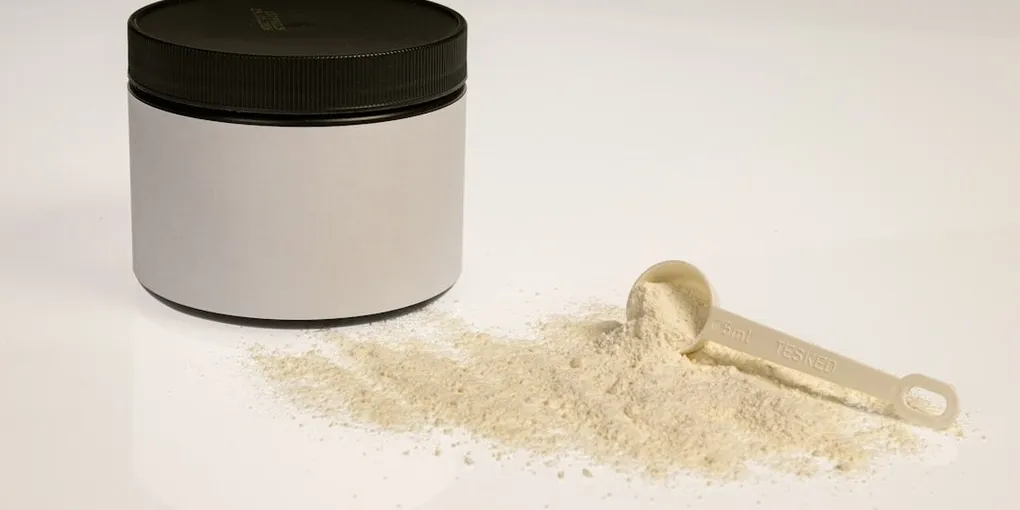
Vital Proteins Collagen Peptides
Best OverallType: Bovine (Types I + III)
~$1.80/serving
Quick Comparison
| Product | Key Specs | Pros / Cons | Price Range | Buy |
|---|---|---|---|---|
| Vital Proteins Collagen Peptides Best Overall |
|
| ~$1.80/serving | Check Price |
| Sports Research Marine Collagen Best Marine |
|
| ~$1.50/serving | Check Price |
| Thorne Collagen Plus Best Premium |
|
| ~$2.50/serving | Check Price |
| Great Lakes Wellness Collagen Peptides Best Budget |
|
| ~$0.70/serving | Check Price |
Contains affiliate links — we may earn a small commission at no extra cost to you.
Best Collagen Peptides Powder: Marine vs Bovine vs Plant-Based Compared
Key Takeaway
Collagen peptides have solid RCT evidence for skin elasticity and joint pain (8–12 weeks at 10–20g/day). Bovine collagen (Types I+III) covers the most use cases; marine is best for skin-focused goals. Always pair with vitamin C to support collagen synthesis. Vital Proteins leads for overall quality; Great Lakes is the best budget pick.
Collagen is the most abundant protein in your body — making up skin, tendons, ligaments, cartilage, and gut lining. After your mid-20s, natural collagen production declines at roughly 1–1.5% per year. Collagen peptides supplements aim to slow or offset that decline.
But does collagen powder actually work? And which type is worth buying? Let’s look at the evidence.
How We Score
We evaluate each product using a 5-factor composite scoring system:
| Factor | Weight | What We Measure |
|---|---|---|
| Research Quality | 30% | Clinical evidence, study count, peer review status |
| Evidence Quality | 25% | Dosage accuracy, bioavailability, form effectiveness |
| Value | 20% | Cost per serving, price-to-quality ratio |
| User Signals | 15% | Real-world reviews, verified purchase data |
| Transparency | 10% | Label clarity, third-party testing, company credibility |
Does Collagen Supplementation Work?
Short answer: yes, with caveats.
Multiple randomized controlled trials support collagen supplementation for:
- Skin elasticity and hydration — A 2019 meta-analysis in the Journal of Drugs in Dermatology found significant improvement in skin elasticity and hydration after 8–12 weeks of daily collagen peptide supplementation
- Joint pain reduction — A 2008 Penn State study found athletes supplementing with collagen had significantly reduced joint pain compared to placebo
- Gut lining support — Glycine and proline in collagen support intestinal barrier integrity (promising, though more human studies needed)
The important caveat: collagen peptides are digested into amino acids like any other protein. The theory is that these amino acids preferentially signal fibroblasts (cells that produce collagen) to ramp up production — a mechanism called “fibroblast stimulation.” The science here is solid, though the effect size varies between individuals.
Marine vs Bovine vs Plant-Based: Key Differences
| Factor | Marine Collagen | Bovine Collagen | Plant-Based “Collagen” |
|---|---|---|---|
| Type | Mostly Type I | Types I and III | Not true collagen — cofactors only |
| Best for | Skin, hair, nails | Skin, joints, gut | Supporting body’s own production |
| Bioavailability | Slightly higher (smaller peptides) | High | N/A |
| Taste | Can be fishy if low quality | Usually neutral | Neutral |
| Sustainability | Wild-caught varies; look for MSC-certified | Grass-fed preferred | Most sustainable |
| Price | Higher | Moderate | Variable |
Plant-based “collagen” note: Plants don’t contain collagen — they can’t. “Vegan collagen” products contain precursor nutrients (vitamin C, lysine, glycine, proline) that support your body’s own collagen synthesis. They’re not collagen itself, but they may be beneficial.
Top Picks: Best Collagen Peptides Powder
1. Vital Proteins Collagen Peptides — Best Overall
Vital Proteins is the most widely studied and trusted collagen brand on the market. Their collagen peptides are sourced from grass-fed, pasture-raised bovine hides and tested for heavy metals and contaminants.
Key stats:
- Collagen: 20g per serving
- Calories: 80
- Type: Bovine (Types I and III)
- Added: 80mg vitamin C per serving (aids collagen synthesis)
- Dissolves in hot or cold liquids
The unflavored version truly disappears into coffee or smoothies — no taste, no texture change. Among the most popular collagen products with consistent long-term user reports of improved skin hydration and nail strength.
Best for: Everyday use, skin, joints, gut health.
2. Sports Research Marine Collagen — Best Marine Collagen
Sports Research uses wild-caught, MSC-certified fish (primarily cod and pollock) for a Type I marine collagen with smaller peptide sizes for potentially faster absorption.
Key stats:
- Collagen: 11g per serving
- Calories: 45
- Type: Marine (Type I)
- Hydrolyzed for bioavailability
Lower protein per serving than bovine (a tradeoff of marine sourcing), but the smaller peptide size may compensate. The unflavored version mixes cleanly. Sports Research is third-party tested under the Informed Sport program.
Best for: Skin-focused benefits, pescatarians, or those avoiding beef.
3. Thorne Collagen Plus — Best Premium Formulation
Thorne takes collagen a step further by adding a synergistic blend: vitamin C, biotin, and hyaluronic acid alongside their bovine collagen peptides. The combination is designed to amplify collagen synthesis at multiple pathways.
Key stats:
- Collagen: 10g per serving
- Vitamin C: 250mg
- Hyaluronic Acid: 80mg
- Biotin: 1,000mcg
- NSF Certified for Sport
The lower collagen dose is offset by the cofactor stack — you’re getting more than just peptides. Thorne’s manufacturing quality is among the best in the supplement industry.
Best for: Those who want a comprehensive anti-aging supplement, not just collagen.
4. Great Lakes Wellness Collagen Peptides — Best Budget Pick
Great Lakes has been making collagen hydrolysate since before it was trendy. Their bovine collagen is sourced from grass-fed cattle and dissolves easily in both hot and cold liquids.
Key stats:
- Collagen: 12g per serving
- Calories: 45
- Type: Bovine (Types I and III)
- Certified Gluten Free
At roughly $0.60–0.80 per serving, it’s one of the most affordable quality options. No frills, no extras — just clean collagen peptides.
Best for: Those who want a proven product at a lower price point.
How to Take Collagen Peptides Effectively
Getting the most from collagen supplementation comes down to three things:
1. Take it with vitamin C. Collagen synthesis requires ascorbic acid (vitamin C) as a cofactor. Take your collagen with a vitamin C-rich food or a quality vitamin C supplement for optimal conversion — research suggests 50–500mg alongside your collagen dose is sufficient.
2. Be consistent. Most studies showing benefits ran for 8–12 weeks at daily doses of 5–15g. Don’t expect overnight results — this is a long-game supplement.
3. Time it around workouts (if targeting joints). Some research suggests taking collagen 30–60 minutes before exercise may preferentially direct amino acids to repairing joint tissue during the activity window. If your primary goal is osteoarthritis or OA-related cartilage support rather than tendon health, see our dedicated Best Collagen for Joints review — it covers UC-II (undenatured Type II collagen), which works through an entirely different mechanism than hydrolyzed peptides.
Dose to aim for: 10–20g per day of hydrolyzed collagen peptides.
Product Comparison Table
| Product | Collagen/Serving | Type | Price/Serving | Best For |
|---|---|---|---|---|
| Vital Proteins | 20g | Bovine I+III | ~$1.80 | Best overall |
| Sports Research | 11g | Marine I | ~$1.50 | Skin, pescatarians |
| Thorne Collagen Plus | 10g + cofactors | Bovine I+III | ~$2.50 | Premium anti-aging stack |
| Great Lakes Wellness | 12g | Bovine I+III | ~$0.70 | Best budget |
Frequently Asked Questions
What’s the difference between collagen peptides and gelatin? Both come from collagen, but peptides are further hydrolyzed — broken into smaller chains that dissolve in cold water and are absorbed more readily. Gelatin gels when cooled and is better for cooking.
Can collagen replace whey protein? No. Collagen is not a complete protein (it’s missing tryptophan). It shouldn’t be your primary protein source — treat it as a joint/skin supplement separate from your protein intake.
How long before you see results? Most people report skin improvements in 4–8 weeks; joint benefits typically take 8–12 weeks of consistent daily use.
Is expensive collagen worth it over cheap options? Quality sourcing (grass-fed, wild-caught, third-party tested) matters for purity. But the most expensive brands aren’t always the best — Great Lakes and Sports Research offer excellent quality at lower price points.
Does cooking destroy collagen peptides? No. Hydrolyzed collagen is heat-stable. You can add it to hot coffee, soups, or baked goods without losing efficacy.
Related Articles
-
Best Protein Powder for Weight Loss Women — if you need a complete protein source alongside collagen
-
Best Greens Powder Supplement 2026 — stack collagen with a greens powder for a comprehensive morning routine
-
Best Creatine Supplement Review — another evidence-backed performance supplement worth knowing about
-
Best Collagen for Joints — if your goal is osteoarthritis relief rather than tendon support or skin health, this dedicated review covers UC-II vs. hydrolyzed peptides with head-to-head RCT data.
-
Best Collagen Supplement for Skin — skin-focused collagen picks with specific bioavailability and clinical evidence for dermal benefits
-
Best Hyaluronic Acid Supplement — pairs synergistically with collagen for skin hydration and joint lubrication; the combination is stronger than either alone
-
Best Biotin Supplement for Hair Growth — if hair and nail strength are your primary goal, biotin stacks naturally with collagen peptides
-
Best MSM Supplement — MSM (methylsulfonylmethane) provides sulfur needed for collagen cross-linking; a common addition to joint health stacks
-
Best Hair, Skin and Nails Supplement — For those targeting hair and nail strength alongside skin benefits, this guide covers the best multi-ingredient beauty supplements.
Frequently Asked Questions
- Both come from collagen, but peptides are further hydrolyzed — broken into smaller chains that dissolve in cold water and are absorbed more readily. Gelatin gels when cooled and is better for cooking.
- No. Collagen is not a complete protein (it's missing tryptophan). It shouldn't be your primary protein source — treat it as a joint/skin supplement separate from your protein intake.
- Most people report skin improvements in 4–8 weeks; joint benefits typically take 8–12 weeks of consistent daily use.
- Quality sourcing (grass-fed, wild-caught, third-party tested) matters for purity. But the most expensive brands aren't always the best — Great Lakes and Sports Research offer excellent quality at lower price points.
- No. Hydrolyzed collagen is heat-stable. You can add it to hot coffee, soups, or baked goods without losing efficacy.