Life Extension Lemon Balm Extract
Best OverallDose: 500 mg (6% rosmarinic acid)
$15–22 / 60 capsules
Quick Comparison
| Product | Key Specs | Price Range | Buy |
|---|---|---|---|
| Life Extension Lemon Balm Extract Best Overall |
| $15–22 / 60 capsules | Check Price |
| Herb Pharm Lemon Balm Extract Best Liquid Extract |
| $12–18 / 1 fl oz | Check Price |
| Integrative Therapeutics Cortisol Manager Best Combination Formula |
| $35–45 / 30 servings | Check Price |
| NOW Foods Lemon Balm Best Budget |
| $8–12 / 100 capsules | Check Price |
Contains affiliate links — we may earn a small commission at no extra cost to you.
Best Lemon Balm Supplement 2026: Calm, Sleep, and the Science Behind It
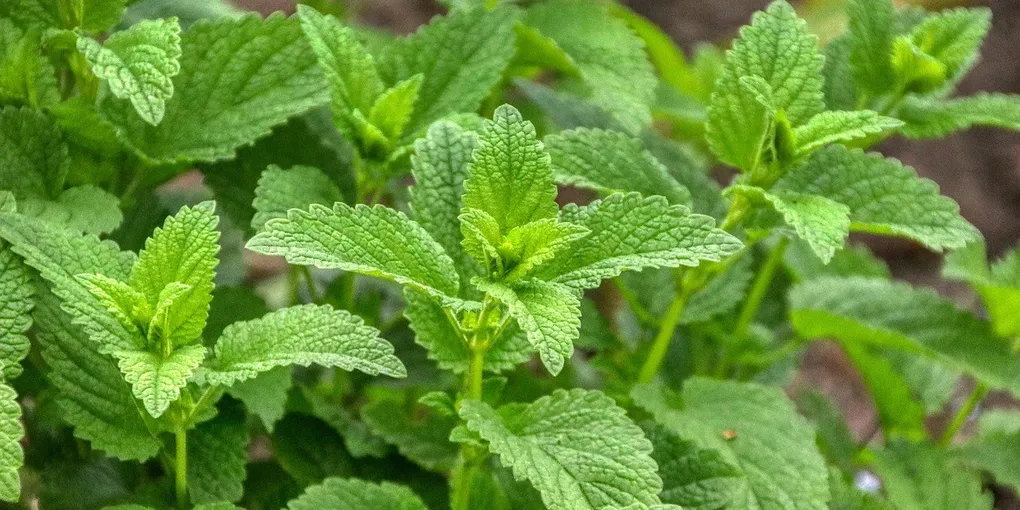
Lemon balm (Melissa officinalis) is a mint-family herb with a long history of use for anxiety, insomnia, and nervous tension. Unlike many herbal supplements that rest entirely on traditional use, lemon balm has accumulated a meaningful body of controlled trial evidence over the past two decades.
It’s not a sedative. It’s a calming agent that reduces the cognitive and physiological hyperarousal that prevents sleep in anxious individuals. For people who lie in bed with racing thoughts, difficulty shutting off mental activity, or heightened stress responses — lemon balm addresses the underlying problem rather than forcing sedation.
How We Score
We evaluate each product using a 5-factor composite scoring system:
| Factor | Weight | What We Measure |
|---|---|---|
| Research Quality | 30% | Clinical evidence, study count, peer review status |
| Evidence Quality | 25% | Dosage accuracy, bioavailability, form effectiveness |
| Value | 20% | Cost per serving, price-to-quality ratio |
| User Signals | 15% | Real-world reviews, verified purchase data |
| Transparency | 10% | Label clarity, third-party testing, company credibility |
How Lemon Balm Works
Primary Mechanisms
GABA Transaminase Inhibition: Rosmarinic acid (the primary bioactive marker in lemon balm) inhibits GABA transaminase — the enzyme that breaks down GABA. More GABA remains available in the synapse, increasing inhibitory signaling and reducing anxiety and hyperarousal. This is similar (but milder) to the mechanism of valerian and passionflower.
Acetylcholinesterase Inhibition: Lemon balm has demonstrated inhibition of acetylcholinesterase in vitro, increasing acetylcholine availability. This may contribute to both calming and cognitive effects (acetylcholine is involved in memory and attention).
Nicotinic and Muscarinic Receptor Activity: Multiple studies have identified binding at nicotinic and muscarinic acetylcholine receptors, consistent with both the calming and cognitive-enhancing effects observed in clinical trials.
Stress Response Modulation: A 2004 study found lemon balm reduced negative mood and stress during a controlled laboratory stressor (Defined Intensity Stressor Simulation), improving mood scores and increasing calmness.
Clinical Evidence
Sleep and Anxiety (600 mg, 15-day RCT)
Cases et al. (2011, Mediterranean Journal of Nutrition and Metabolism):
- 20 adults with mild-to-moderate anxiety and insomnia
- 600 mg/day lemon balm extract for 15 days
- Insomnia symptoms reduced by 42%; anxiety symptoms reduced by 18%
- 95% of participants reported reduced insomnia; 85% reported reduced anxiety
- No adverse effects
Sleep (Combination with Valerian)
Dressing et al. (1992, Zeitschrift für Phytotherapie):
- 98 adults with sleep disturbances randomized to lemon balm + valerian combination vs. triazolam (benzodiazepine) vs. placebo
- Combination non-inferior to triazolam for sleep quality; significantly better than placebo
- More recent trials using standardized combination extracts (Euvegel) replicate this finding
Stress and Mood (Single-Dose RCT)
Kennedy et al. (2004, Psychosomatic Medicine):
- Single-dose lemon balm (300 mg, 600 mg, 900 mg) in healthy adults under laboratory stress
- 600 mg dose: improved mood, increased calmness, and improved mathematical processing speed
- 900 mg dose: improved mood but increased self-rated calmness decreased (possible overshoot at high dose)
- Results: 600 mg appears to be the optimal single dose for stress/mood
Cognitive Function
Kennedy et al. (2002, Neuropsychopharmacology):
- Double-blind crossover study showed lemon balm improved memory and attention at 600 mg dose
- Sedation (at 900 mg) reduced the cognitive benefits seen at lower doses — again pointing to 300–600 mg as the optimal range
Best Lemon Balm Supplements 2026
1. Life Extension Lemon Balm Extract — Best Overall
Dose: 500 mg (standardized to 6% rosmarinic acid) Third-party testing: NSF Certified
Life Extension’s standardized extract is the most consistent quality option in capsule form. Standardization to 6% rosmarinic acid ensures you’re getting therapeutic concentrations of the primary bioactive. NSF Certification verifies label accuracy and purity.
Take 1 capsule (500 mg) for daytime stress, or 1–2 capsules (500–1000 mg) 30–60 minutes before bed for sleep. Within the clinical evidence range.
2. Herb Pharm Lemon Balm Extract — Best Liquid Extract
Dose: 40 drops (~2 mL) per serving Third-party testing: ISO certified manufacturing
Herb Pharm’s liquid tincture uses fresh Melissa officinalis leaves harvested at peak aromatic content (flowering stage). Liquid format provides faster onset — ideal for acute stress or pre-sleep use. The flavor is pleasantly lemon-herb with mild bitterness.
For sleep: take 40–80 drops in water 30–60 minutes before bed. For acute stress: 40 drops as needed.
3. Integrative Therapeutics Cortisol Manager — Best Combination
Dose: 200 mg lemon balm + ashwagandha + other adaptogens Third-party testing: Yes
Cortisol Manager combines lemon balm with ashwagandha (KSM-66), L-theanine, and phosphatidylserine in a cortisol-reduction formula. Designed for evening use. This is a higher-cost option but addresses multiple stress/sleep pathways simultaneously. Well-suited for high-stress individuals with both anxiety and sleep disruption.
4. NOW Foods Lemon Balm — Best Budget
Dose: 500 mg whole herb Third-party testing: UL Verified
NOW Foods provides reliable whole-herb lemon balm at budget pricing. Whole-herb (non-standardized) means less certainty about rosmarinic acid content compared to standardized extracts, but UL verification confirms label accuracy. Good entry point for those new to lemon balm.
Lemon Balm Comparison Table
| Product | Form | Dose | Standardization | Price/serving |
|---|---|---|---|---|
| Life Extension | Capsule | 500 mg | 6% rosmarinic acid | ~$0.30 |
| Herb Pharm | Liquid | ~2 mL | Full spectrum | ~$0.50 |
| Integrative Therapeutics | Tablet | 200 mg (combo) | Yes | ~$1.25 |
| NOW Foods | Capsule | 500 mg | Whole herb | ~$0.10 |
Stacking Lemon Balm
- Best Sleep Supplement Stack for Insomnia — Full evidence-based sleep protocol
- Best L-Theanine Supplement — L-theanine + lemon balm targets overlapping GABA and alpha-wave mechanisms; the combination is common in “calm focus” formulas
- Best Ashwagandha Supplement — For cortisol and HPA axis support; lemon balm addresses acute anxiety, ashwagandha addresses chronic stress
- Best Valerian Root Supplement — Lemon balm + valerian combination has the strongest sleep evidence of any herbal combination
Frequently Asked Questions
Does lemon balm help with sleep? Yes, particularly for anxiety-related sleep disruption. Clinical evidence shows 300–600 mg reduces insomnia symptoms and anxiety in mild-to-moderate cases. Works within 1–2 weeks of consistent use; some acute effect within hours.
What is the best lemon balm dosage? 300–600 mg of standardized extract (5–6% rosmarinic acid) is the clinical evidence range. 600 mg is optimal for sleep and stress; 300 mg for cognitive use. Doses above 900 mg may cause sedation that impairs daytime function.
Is lemon balm better than valerian? Different profile: lemon balm has stronger acute effects and better cognitive evidence; valerian has more direct sleep onset evidence. For anxiety-driven sleep issues, try lemon balm first. For primary insomnia without anxiety, try valerian first. They’re often combined.
Can I take lemon balm during the day? Yes. At 300 mg, lemon balm improves mood and reduces anxiety without meaningful sedation. At 600 mg, mild sedation is possible in some users — test cautiously before using before driving or operating machinery.
Is lemon balm the same as melissa? Yes. Melissa officinalis is the scientific name; “lemon balm” and “melissa” are common names for the same herb. Products labeled “Melissa officinalis” are the same as lemon balm products.
Related Articles
- Best Tryptophan Supplement
- Best Chamomile Supplement for Sleep
- Best Magnesium Supplement for Anxiety and Sleep
- Best Sleep Supplement for Anxiety
Frequently Asked Questions
- Yes. A 2014 study in Nutrients found lemon balm extract (600 mg) reduced insomnia symptoms by 42% and anxiety by 18% in adults with mild-to-moderate anxiety and sleep disturbances after 15 days. A 2004 study in Psychosomatic Medicine found lemon balm combined with valerian improved sleep quality significantly vs. placebo in 98 adults with sleep disturbances. Lemon balm appears to work best for anxiety-driven sleep disruption rather than primary insomnia.
- 300–600 mg of lemon balm extract, standardized to at least 5% rosmarinic acid, taken 30–60 minutes before bed. Doses up to 900 mg have been used in studies without adverse effects. For anxiety (daytime use), 300 mg twice daily is the common clinical protocol.
- The combination of lemon balm + valerian has more clinical evidence than either herb alone for sleep. A well-powered RCT found the combination significantly outperformed placebo for sleep quality, while individual herb arms showed smaller effects. If cost is not a concern, the combination is the better choice. If cost matters, lemon balm alone is still a reasonable option with its own evidence base.
- For acute anxiety reduction, lemon balm can work within 1–3 hours of a single dose (some cognitive stress studies show effects within 1 hour). For sleep improvement, consistent use over 7–15 days shows stronger effects in clinical studies. Unlike valerian, lemon balm has meaningful acute activity, especially for cognitive aspects of anxiety.
- Lemon balm has an excellent safety profile and has been used medicinally for over 2,000 years. Clinical trials report no serious adverse effects at standard doses. May cause mild sedation at higher doses. Theoretically interacts with thyroid medications (may inhibit TSH) — not well-documented in humans but worth noting for those on thyroid treatment. Not contraindicated in pregnancy based on historical use, but consult a physician.