PreserVision AREDS 2 Formula
Best for AMD / AREDS2 ProtocolLutein: 10mg/serving
$30–45 (210 softgels)
Quick Comparison
| Product | Key Specs | Price Range | Buy |
|---|---|---|---|
| PreserVision AREDS 2 Formula Best for AMD / AREDS2 Protocol |
| $30–45 (210 softgels) | Check Price |
| Life Extension MacuGuard Ocular Support Best for Daily Prevention |
| $25–35 (60 softgels) | Check Price |
| NOW Foods Lutein 20mg Best Budget Option |
| $12–18 (90 softgels) | Check Price |
Contains affiliate links — we may earn a small commission at no extra cost to you.
Best Lutein and Zeaxanthin Supplement 2026: Eye Health Ranked
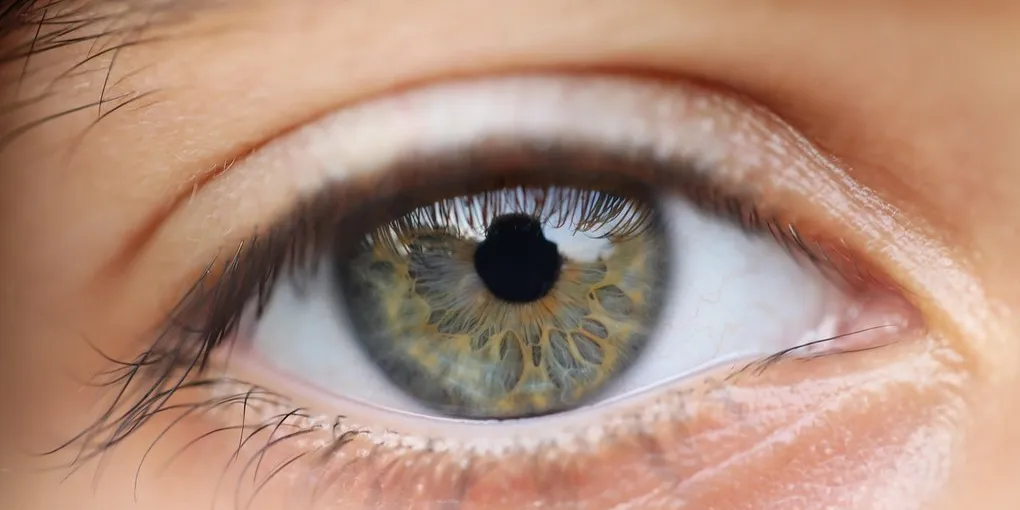
Lutein and zeaxanthin are the only two dietary carotenoids that accumulate in the human eye. They concentrate in the macula — the 5mm central region of the retina that handles all detailed, central vision — where they form the macular pigment, a yellow filter that absorbs high-energy blue and UV light before it can damage the photoreceptor cells underneath.
The Age-Related Eye Disease Study 2 (AREDS2), funded by the National Institutes of Health and involving over 4,000 participants across multiple clinical centers, is the definitive trial. Published in JAMA in 2013, it found that supplementing with 10mg lutein + 2mg zeaxanthin daily reduced the risk of AMD progression to advanced disease by 26% in high-risk individuals (those with existing intermediate AMD). This is not a marginal finding — it is clinically actionable evidence that drove a reformulation of the most-prescribed eye supplement in the US (PreserVision).
This guide ranks the best lutein and zeaxanthin supplements based on dose, ingredient quality, and the AREDS2 evidence base.
How We Score
We evaluate each product using a 5-factor composite scoring system:
| Factor | Weight | What We Measure |
|---|---|---|
| Research Quality | 30% | Clinical evidence, study count, peer review status |
| Evidence Quality | 25% | Dosage accuracy, bioavailability, form effectiveness |
| Value | 20% | Cost per serving, price-to-quality ratio |
| User Signals | 15% | Real-world reviews, verified purchase data |
| Transparency | 10% | Label clarity, third-party testing, company credibility |
What Lutein and Zeaxanthin Do
Macular pigment optical density (MPOD): Lutein, zeaxanthin, and a third carotenoid called meso-zeaxanthin together form the yellow macular pigment. MPOD is measurable via non-invasive optical testing and serves as a biomarker of macular health. Low MPOD is associated with AMD risk, glare sensitivity, and reduced contrast sensitivity.
Blue light filtering: Lutein absorbs predominantly in the 400–480nm wavelength range — the “high-energy visible light” (HEV) and blue light band. Digital screens, LED lighting, and sunlight all emit significant HEV. The macular pigment acts as a biological blue light filter, reducing the photochemical stress on photoreceptors (rods and cones).
Antioxidant protection: Photoreceptors in the retina have the highest rate of oxidative metabolism of any cell in the human body. Lutein and zeaxanthin quench reactive oxygen species generated by photon absorption, protecting against the lipid peroxidation that drives AMD pathology.
Digital eye strain: Several randomized trials (LAMA trial, 2017; Blue Mountains Eye Study follow-ups) show lutein/zeaxanthin supplementation reduces subjective symptoms of digital eye strain and improves objective measures of contrast sensitivity and glare tolerance in screen-intensive workers.
Top Picks
1. PreserVision AREDS 2 Formula — Best for AMD and High-Risk Individuals
PreserVision AREDS 2 is the only formula directly derived from the AREDS2 clinical trial. It uses the exact doses tested in the NIH-funded study: 10mg lutein + 2mg zeaxanthin per serving, combined with vitamin C (500mg), vitamin E (180mg), zinc (80mg), and copper (2mg).
The National Eye Institute actively recommends AREDS2-formula supplements for individuals with intermediate AMD in one or both eyes, or advanced AMD in one eye. PreserVision AREDS 2 is the market-leading product in this clinical category, with direct ophthalmologist endorsement and the strongest evidence base of any eye supplement on the market.
What we like:
- Exact AREDS2 trial formula — 10mg FloraGLO lutein + 2mg zeaxanthin
- Complete formula includes cofactors (C, E, zinc, copper) shown to reduce AMD risk
- Available at major pharmacies and Amazon — widely accessible
- Soft gelatin capsules for fat-soluble nutrient absorption
- Manufactured by Bausch + Lomb — one of the most trusted names in eye health
What to know:
- Designed specifically for AMD prevention/progression — not a general wellness supplement
- Zinc content (80mg/serving) is high — above Tolerable Upper Intake Level for long-term use without medical supervision; typically only appropriate for AMD patients
- For general eye health without AMD, a lower-zinc formula may be preferable
Best for: Individuals with intermediate AMD, family history of AMD, smokers (who should NOT use the original AREDS beta-carotene formula — AREDS2 is safe for smokers), or on ophthalmologist recommendation.
Check current price on Amazon →
2. Life Extension MacuGuard — Best for Prevention and Comprehensive Formula
MacuGuard is designed for preventive use rather than the clinical AMD intervention that drives PreserVision. It uses FloraGLO lutein (the most research-backed trademarked lutein ingredient, derived from marigold flowers and used in most clinical trials) plus both zeaxanthin and meso-zeaxanthin.
The meso-zeaxanthin distinction: Meso-zeaxanthin is the third macular carotenoid, concentrated at the very center of the macula (fovea centralis). Research from the CREST (Central Retinal Enrichment Supplementation Trials) trial at Queen’s University Belfast showed that combining meso-zeaxanthin with lutein and zeaxanthin produces greater MPOD increases than the standard two-carotenoid combination. Life Extension’s formula includes 5mg meso-zeaxanthin — a clinically relevant dose.
MacuGuard also includes 20mg of saffron extract — a distinct carotenoid (crocin and crocetin) with emerging evidence for retinal neuroprotection (ARVO-published Australian trial, 2017).
What we like:
- FloraGLO lutein (same ingredient used in most clinical trials) at 15mg — above the AREDS2 dose
- Full three-carotenoid formula (lutein + zeaxanthin + meso-zeaxanthin) for complete MPOD support
- Saffron extract for additional retinal protection
- Life Extension is a reputable, research-oriented supplement company with strong QC
- Appropriate zinc content for long-term preventive use (no high-dose zinc concerns)
What to know:
- More expensive per serving than basic lutein supplements
- Not the AREDS2 clinical formula — different indication (prevention vs. AMD intervention)
- Softgel contains soy (MacuGuard uses soybean oil base)
Best for: Adults over 40 using lutein/zeaxanthin preventively, people with high screen time or blue light exposure, family history of AMD without current diagnosis.
Check current price on Amazon →
3. NOW Foods Lutein 20mg — Best Budget Option
NOW Foods uses FloraGLO lutein — the same trademarked ingredient found in premium products — at 20mg per softgel. The zeaxanthin dose (0.4mg) is low compared to other options, but the lutein dose exceeds the AREDS2 protective level.
NOW is NSF GMP certified, known for quality manufacturing standards, and priced significantly below premium brands. For budget-conscious consumers who primarily want the lutein dose from high-quality ingredient source, this is the most cost-effective option.
At ~$0.15/serving, it is roughly 5–7x cheaper per serving than MacuGuard. The trade-off: no meso-zeaxanthin, minimal zeaxanthin, no complementary nutrients.
Best for: Budget-conscious adults supplementing for general eye health or digital eye strain — not appropriate as an AMD-specific supplement.
Check current price on Amazon →
Absorption: Why Fat Matters
Lutein and zeaxanthin are fat-soluble carotenoids. Absorption depends heavily on co-ingestion of fat. Studies show taking lutein supplements with a fat-containing meal increases plasma lutein concentrations by 50–100% compared to taking them fasted.
Always take lutein/zeaxanthin supplements with a meal containing some fat (at minimum a tablespoon of olive oil, avocado, eggs, or nuts). This single behavior change can double the effective dose you absorb.
Who Should Supplement
- Adults over 50: MPOD declines with age; AMD prevalence increases sharply after 60
- High screen users: Blue light exposure increases oxidative load on the retina
- Smokers: Smoking doubles AMD risk; AREDS2 is safe (unlike the original AREDS formula which included beta-carotene linked to lung cancer in smokers)
- Family history of AMD: Genetic risk (complement factor H polymorphisms, ARMS2 variants) is the strongest AMD predictor
- Low dietary carotenoid intake: Those who rarely eat leafy greens benefit most
For comprehensive eye health, consider pairing lutein/zeaxanthin with our picks for best vitamin A supplement for eye health and vitamin D3+K2 for systemic inflammation reduction.
Bottom Line
If you have intermediate AMD or are at high risk: PreserVision AREDS 2 is the evidence-based clinical recommendation, endorsed by the National Eye Institute.
For preventive use and comprehensive MPOD support: Life Extension MacuGuard offers the most complete three-carotenoid formula plus saffron at a reasonable price.
On a tight budget: NOW Foods FloraGLO Lutein 20mg delivers the research-backed lutein dose at a fraction of the cost of premium formulas.
Related Articles
- Best Vitamin A Supplement for Eye Health — Fat-soluble vitamin essential for night vision and photoreceptor function; complements lutein and zeaxanthin’s macular protection.
- Best Astaxanthin Supplement — Complementary retinal antioxidant with strong evidence for eye protection alongside lutein and zeaxanthin.
Frequently Asked Questions
- Lutein and zeaxanthin are carotenoids that concentrate in the macula — the central region of the retina responsible for sharp, detailed vision. They function as a "macular pigment optical density" (MPOD) filter, absorbing harmful blue and UV light before it can damage photoreceptors. Low MPOD is associated with higher risk of age-related macular degeneration (AMD) and cataracts. Multiple clinical trials show supplementation increases MPOD and reduces AMD progression risk.
- The AREDS2 clinical trial used 10mg lutein + 2mg zeaxanthin daily and found a 26% reduction in AMD progression risk. Most evidence-based supplementation protocols target 10–20mg lutein with 2–4mg zeaxanthin daily. Higher doses (up to 20mg lutein) are used in research without safety concerns. Lutein requires fat for absorption — always take with a meal containing some fat.
- Meso-zeaxanthin is the third macular carotenoid, present at the center of the macula in concentrations higher than lutein or zeaxanthin. Unlike lutein and zeaxanthin, it is not commonly found in food — it must be synthesized in the retina from lutein or obtained directly from supplements. Research, particularly the CREST trial (Belfast), suggests meso-zeaxanthin + lutein + zeaxanthin together increase MPOD more than the standard lutein-only combination. If you have AMD or high risk, look for products containing all three.
- Yes. Multiple randomized trials show lutein and zeaxanthin supplementation reduces symptoms of digital eye strain (discomfort, blurred vision, eye fatigue) in office workers and screen users. The LAMA trial and subsequent studies showed improvements in contrast sensitivity, glare sensitivity, and visual fatigue. Mechanism: increased MPOD filters high-energy blue light from screens before it reaches photoreceptors, reducing cumulative oxidative stress.
- Kale is the richest dietary source (~22mg lutein per cup cooked). Spinach provides ~12mg/cup cooked. Corn, eggs, and orange bell peppers provide zeaxanthin specifically. For reference: the AREDS2 protective dose (10mg lutein) requires roughly 2 cups of cooked spinach daily — achievable but unlikely for most people consistently. Eggs provide a highly bioavailable form (fat matrix increases absorption) but in lower absolute amounts (~0.3mg/egg).