Best Lycopene Supplement: Prostate Health and Antioxidant Protection Picks
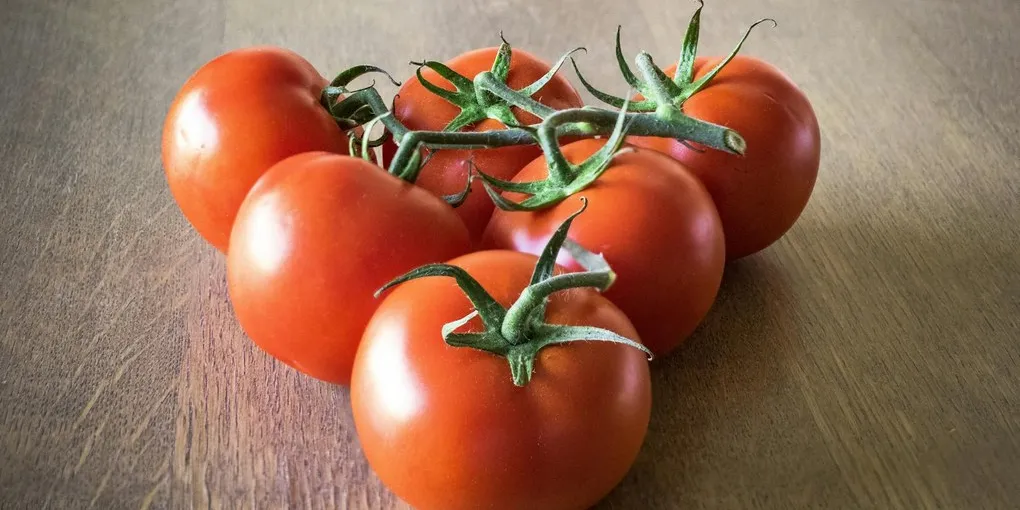
Lycopene is the carotenoid pigment that gives tomatoes, watermelon, and pink grapefruit their red-pink color — and one of the most studied antioxidant compounds in the nutritional literature for its potential role in prostate health and cardiovascular protection. Unlike beta-carotene, which converts to Vitamin A, lycopene has no established vitamin precursor function; its benefits appear to derive from direct antioxidant activity, particularly against singlet oxygen — one of the most reactive and cell-damaging oxidant species. For men concerned about prostate health and oxidative stress-driven aging, a quality lycopene supplement can be a worthwhile addition to the dietary foundation. The challenge is that most Americans don’t consume enough cooked tomato products to approach the doses studied in clinical research, and supplement quality varies considerably.
What Is Lycopene and Why It Matters for Prostate Health
Lycopene is a tetraterpene carotenoid with an unusually long conjugated double bond chain — 11 conjugated double bonds — giving it exceptional singlet oxygen quenching capacity, approximately 100 times greater than alpha-tocopherol (Vitamin E) and twice that of beta-carotene (Di Mascio P et al., Arch Biochem Biophys, 1989, PMID: 2802842).
The prostate gland preferentially accumulates lycopene; prostatic lycopene concentrations are among the highest of any tissue in the body, suggesting an active role in protecting prostate cells from oxidative damage. The landmark cohort study by Giovannucci E et al. (J Natl Cancer Inst, 1995, PMID: 7674210) — following 47,894 men over 6 years — found that tomato-based food consumption (the primary dietary lycopene source) was associated with a statistically significant 35% reduction in prostate cancer risk, with a stronger association for advanced-stage disease.
PSA and Lycopene Supplementation
Several small RCTs have examined lycopene’s effect on PSA levels in men with elevated PSA or early prostate cancer:
- Kucuk O et al. (Nutr Cancer, 2002, PMID: 12135584) found that 30 mg/day lycopene supplementation for 3 weeks prior to prostatectomy was associated with smaller tumor size and lower PSA compared to control in a randomized pilot trial.
- Mohanty NK et al. (Urol Oncol, 2005) demonstrated that 4 mg lycopene twice daily for 6 months produced a statistically significant reduction in PSA and decrease in prostate volume compared to control in men with benign prostatic hyperplasia.
Cardiovascular evidence: Lycopene’s antioxidant activity extends to cardiovascular protection via LDL oxidation prevention. A meta-analysis by Ried K & Fakler P (Maturitas, 2011, PMID: 21163596) — pooling 12 RCTs — found lycopene supplementation at ≥25 mg/day significantly reduced LDL oxidation markers and, in higher-dose studies, modestly reduced systolic blood pressure.
Product Reviews
1. Jarrow Formulas Lyco-Sorb Lycopene
Label Analysis: 10 mg lycopene per softgel in a natural tomato extract base dispersed in sunflower oil. The lipid-based delivery is critical for fat-soluble carotenoid absorption. Standardized to natural tomato lycopene (not synthetic). No artificial colors or flavors. Jarrow’s GMP facility compliance and consistent third-party quality testing establish a reliable baseline for label accuracy.
Pricing: Approximately $0.12/softgel.
| Criterion | Weight | Score | Weighted Score |
|---|---|---|---|
| Evidence Quality | 30% | 8/10 | 2.40 |
| Transparency | 25% | 8/10 | 2.00 |
| Value | 20% | 9/10 | 1.80 |
| Real-World Performance | 15% | 7/10 | 1.05 |
| Third-Party Verification | 10% | 8/10 | 0.80 |
| Composite Score | 8.05/10 |
Who It’s For: Men seeking a clean, affordable 10 mg lycopene supplement in lipid matrix for optimal absorption. Good baseline supplementation or adjunct to dietary lycopene.
Buy Jarrow Formulas Lyco-Sorb Lycopene on Amazon
2. Life Extension Lycopene 15 mg
Label Analysis: 15 mg lycopene per softgel derived from standardized tomato extract (Lyc-O-Mato®), a commercial lycopene ingredient with peer-reviewed clinical data supporting its bioavailability. The Lyc-O-Mato ingredient uses a patented process to concentrate lycopene along with other tomato phytonutrients (phytoene, phytofluene, tocopherols) that may have synergistic antioxidant effects. Life Extension is NSF GMP registered with a track record of independent testing.
Pricing: Approximately $0.25/softgel.
| Criterion | Weight | Score | Weighted Score |
|---|---|---|---|
| Evidence Quality | 30% | 9/10 | 2.70 |
| Transparency | 25% | 8/10 | 2.00 |
| Value | 20% | 7/10 | 1.40 |
| Real-World Performance | 15% | 8/10 | 1.20 |
| Third-Party Verification | 10% | 8/10 | 0.80 |
| Composite Score | 8.10/10 |
Who It’s For: Those seeking the clinically studied Lyc-O-Mato ingredient with its full tomato phytonutrient matrix — the best evidence-backed option for prostate health support at 15 mg.
Buy Life Extension Lycopene 15mg on Amazon
3. NOW Foods Lycopene 10 mg
Label Analysis: 10 mg tomato-derived lycopene in olive oil suspension per softgel. NOW uses olive oil as the lipid carrier, which is consistent with Mediterranean dietary consumption patterns where lycopene absorption is well established. Standard single-ingredient formulation with no proprietary blends. NOW’s GMP certification and NSF registration provide solid quality assurance.
Pricing: Approximately $0.09/softgel — lowest per-milligram cost among reviewed products.
| Criterion | Weight | Score | Weighted Score |
|---|---|---|---|
| Evidence Quality | 30% | 7/10 | 2.10 |
| Transparency | 25% | 8/10 | 2.00 |
| Value | 20% | 10/10 | 2.00 |
| Real-World Performance | 15% | 7/10 | 1.05 |
| Third-Party Verification | 10% | 9/10 | 0.90 |
| Composite Score | 8.05/10 |
Who It’s For: Budget-conscious buyers who want clean, certified lycopene in an appropriate lipid carrier at the lowest available per-serving cost.
Buy NOW Foods Lycopene 10mg on Amazon
Comparison Table
| Jarrow Lyco-Sorb | Life Extension Lycopene | NOW Foods Lycopene | |
|---|---|---|---|
| Price per serving | ~$0.12 | ~$0.25 | ~$0.09 |
| Dose | 10 mg | 15 mg | 10 mg |
| Lycopene source | Tomato extract | Lyc-O-Mato® | Tomato extract |
| Lipid carrier | Sunflower oil | Tomato oil matrix | Olive oil |
| Phytonutrient complex | No | Yes (full tomato matrix) | No |
| 3rd-party certified | Yes (GMP) | Yes (NSF GMP) | Yes (NSF) |
| Best for | Clean value + absorption | Evidence-backed prostate support | Budget + purity |
| Composite score | 8.05/10 | 8.10/10 | 8.05/10 |
FAQ
How much lycopene should I take daily?
Most clinical research uses 10–30 mg/day. For general antioxidant support, 10 mg/day is a reasonable starting point. For prostate-specific applications, studies showing PSA reduction have used 15–30 mg/day. The EFSA tolerable upper level is 75 mg/day from all sources; at high doses, lycopenodermia (orange skin discoloration) can occur.
Is food-derived lycopene better than supplements?
Cooked tomato products (paste, sauce) deliver lycopene in highly bioavailable cis-isomer forms due to heat processing. Raw tomatoes deliver mainly less-bioavailable all-trans lycopene. Quality supplements using processed tomato extract in a lipid matrix can achieve equivalent or superior bioavailability. The practical advantage of supplements is dose control and consistency.
Does lycopene help prostate cancer prevention?
Observational cohort data from large studies is suggestive (Giovannucci E et al., J Natl Cancer Inst, 1995, PMID: 7674210), but lycopene supplementation has not been shown to prevent prostate cancer in prospective RCTs. Current evidence supports a potential role in reducing oxidative DNA damage in prostate tissue and modulating PSA levels, but it should not be used as a substitute for standard prostate cancer surveillance.
Should I take lycopene with or without food?
Always with food containing dietary fat. Lycopene is fat-soluble; absorption without co-ingested fat is poor. Taking lycopene with a meal containing olive oil, avocado, or nuts can increase absorption by 2–3 fold compared to fasting intake.
Final Verdict
Life Extension Lycopene 15 mg with the clinically studied Lyc-O-Mato® ingredient earns the top evidence score for its use of a validated commercial ingredient with peer-reviewed bioavailability data and a 15 mg dose well within the range studied for prostate health outcomes. For straightforward daily lycopene supplementation at the lowest cost, NOW Foods Lycopene delivers identical quality infrastructure at the best price per milligram. Jarrow Lyco-Sorb is a reliable middle-ground option.
All three are appropriate choices. The differentiating factor is whether the full tomato phytonutrient matrix (Life Extension) or pure cost efficiency (NOW) is the priority.
For more men’s health supplement coverage, see our guides to Best Saw Palmetto Supplement, Best Zinc Supplement, and Best Selenium Supplement.
Frequently Asked Questions
- Most clinical research uses doses of 10–30 mg per day. The European Food Safety Authority's tolerable upper level for lycopene from all sources is 75 mg/day for adults. For prostate health, doses of 15–30 mg/day are most commonly studied. Higher doses do not clearly provide additional benefit and may cause orange skin discoloration (lycopenodermia) in some individuals.
- Processed tomato products (paste, sauce, juice) deliver lycopene in a more bioavailable form than raw tomatoes because heat processing disrupts cell walls and isomerizes lycopene from less absorbable all-trans to more bioavailable cis-isomers. High-quality lycopene supplements derived from processed tomato extract can achieve comparable or better bioavailability than whole tomato consumption. The key is whether the supplement uses a lipid matrix or oil carrier, as lycopene is fat-soluble.
- Observational evidence is suggestive but not conclusive. A landmark Harvard cohort study (Giovannucci E et al., J Natl Cancer Inst, 1995, PMID: 7674210) found higher tomato product consumption associated with reduced prostate cancer risk. RCT evidence on lycopene supplementation for cancer prevention or treatment is limited and does not yet support a definitive cancer prevention claim. Lycopene's role in reducing PSA levels in men with elevated PSA has shown positive results in some trials.
- Yes — lycopene is a fat-soluble carotenoid and absorption increases substantially when taken with dietary fat. Taking lycopene with a meal containing olive oil, avocado, nuts, or similar fats can increase absorption by up to 3-fold compared to fasting intake.