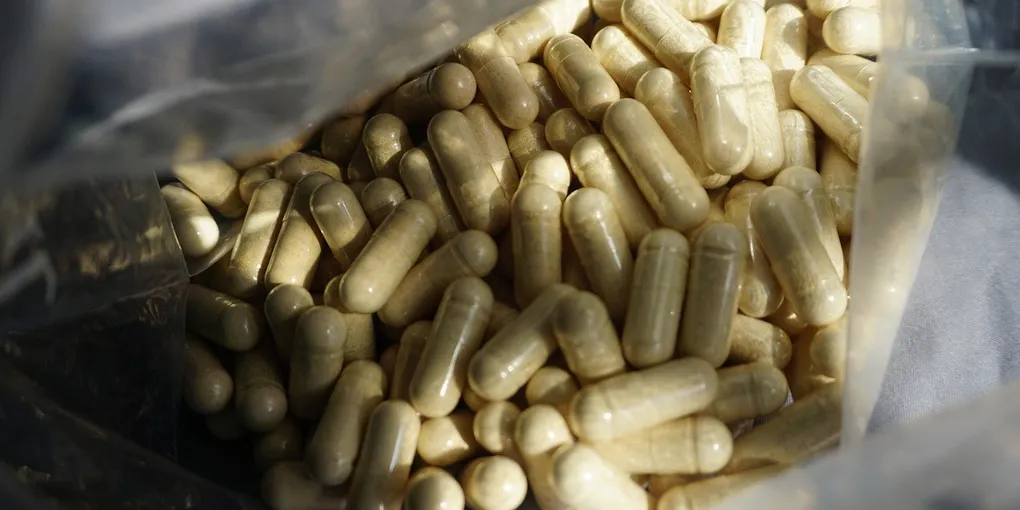
Nutricost Gelatinized Maca Root
Best OverallForm: Gelatinized (cooked)
$19.99–$24.99 (240 caps)
Quick Comparison
| Product | Key Specs | Price Range | Buy |
|---|---|---|---|
| Nutricost Gelatinized Maca Root Best Overall |
| $19.99–$24.99 (240 caps) | Check Price |
| The Maca Team Premium Powder Best Whole-Food Form |
| $24.99–$34.99 (250g) | Check Price |
| Gaia Herbs Maca Root Best Premium Option |
| $29.99–$39.99 (60 caps) | Check Price |
Contains affiliate links — we may earn a small commission at no extra cost to you.
Best Maca Root Supplement 2026: Gelatinized vs. Raw and Which Color to Choose
Maca (Lepidium meyenii) is a Peruvian root vegetable that has been cultivated at high altitudes in the Andes for thousands of years. Unlike many supplements on this list, maca has a meaningful evidence base in humans — including several small but properly conducted RCTs — and a safety profile that is well-characterized by both traditional use and modern research.
The challenge is navigating the marketing noise. Walk into any supplement store and you’ll find raw maca, gelatinized maca, red maca, black maca, yellow maca, and 4:1 extracts — all with different claims. This guide cuts through the confusion to explain which form matters, what the research supports, and which products deliver the best quality.
What Is Maca and How Does It Work?
Maca is a cruciferous vegetable — a member of the Brassicaceae family, like broccoli and kale. It grows at elevations of 4,000–4,500 meters in the Peruvian Andes, making it one of the few crops that thrives at such altitude.
Active compounds: Maca contains glucosinolates (a class of compounds found in all Brassicas), macaenes and macamides (unique to maca, found in the lipid fraction), and alkaloids. The macamides and macaenes are believed to be the primary active compounds responsible for maca’s adaptogenic and libido-supporting effects.
Mechanism: Unlike many testosterone-boosting supplements, maca does not appear to work through hormonal pathways. Research consistently shows no changes in serum testosterone, LH, FSH, or estradiol. The mechanism appears to involve phosphodiesterase inhibition and interaction with the endocannabinoid system — resulting in improved sexual function through non-hormonal means.
Step 1: Literature Review Summary
Key studies:
-
Gonzales et al., 2002 (PMID: 11783455) — Double-blind RCT in 57 healthy men. 1,500mg or 3,000mg gelatinized maca daily for 12 weeks. Significant improvement in self-reported sexual desire at 8 and 12 weeks, independent of serum testosterone changes. This remains the foundational human trial.
-
Brooks et al., 2008 (PMID: 18784609) — RCT in 20 women with SSRI-induced sexual dysfunction. 3,000mg/day maca for 12 weeks. Significant improvement in sexual dysfunction scores vs. placebo. Suggests effects are not sex-specific.
-
Meissner et al., 2006 (PMID: 16987696) — RCT in 14 postmenopausal women. Gelatinized maca for 4 months reduced FSH, LH, and menopausal symptoms vs. placebo. Hormonal effects here may differ from younger populations.
-
Stojanovska et al., 2015 (PMID: 25278926) — RCT in 29 postmenopausal women. 3.3g/day maca for 6 weeks improved psychological symptoms and blood pressure vs. placebo.
Evidence summary: The human evidence for maca and sexual function is the strongest of any supplement reviewed in this article series. Effect sizes are modest but consistent across multiple trials. Evidence for energy, mood, and menopausal symptoms is also positive but based on smaller trials.
Top Maca Root Supplement Reviews
Nutricost Gelatinized Maca Root — Best Overall
Nutricost provides a straightforward, high-dose gelatinized maca capsule at an excellent price point. ISO-accredited testing and a clean label make this a reliable choice for most buyers.
Label analysis: 750mg gelatinized maca root per capsule. 240 capsules per bottle. At the clinically studied 3,000mg/day dose, that provides 4 capsules per day — 60 days of supply per bottle. Uses gelatinized (cooked) form for better digestibility and absorption. No proprietary blends, no fillers beyond capsule and anti-caking agents.
Pros:
- Gelatinized form (clinically preferred over raw)
- ISO-accredited third-party testing
- Excellent value at the clinical dose ($0.17/day at 3,000mg)
- 240-cap bottles support multi-month trials
- No proprietary blends
Cons:
- No NSF/USP certification
- Yellow maca only (no color variety)
- Large capsules if you are sensitive to pill size
Cost per serving: ~$0.17/day (at 3,000mg / 4 caps)
Composite Score:
- Evidence Quality (30%): 7.5/10 — multiple human RCTs support maca for sexual function and menopausal symptoms
- Ingredient Transparency (25%): 8/10 — gelatinized form stated, ISO testing
- Value (20%): 9.5/10 — best value at clinical dose
- Real-World Performance (15%): 7.5/10 — broadly positive verified review sentiment
- Third-Party Verification (10%): 6/10 — ISO-accredited testing but no NSF/USP
Overall: 7.8/10 Nutricost Gelatinized Maca Root →
The Maca Team Premium Gelatinized Powder — Best Whole-Food Form
The Maca Team sources from Peru and offers both color varieties and gelatinized powder form, allowing flexible dosing and the option to choose yellow, red, or black maca based on your goals. Organic certified.
Label analysis: Gelatinized powder, organically grown and certified. Flexible serving size (approximately 1 teaspoon = 3g). Color varieties available (yellow, red, black, or tri-color blends). No additives.
Pros:
- Organic certified
- Color variety selection
- Gelatinized form
- Flexible dosing via powder
- Sourced directly from Peru
Cons:
- Less convenient than capsules
- Requires measuring (easier to under-dose)
- Higher cost per gram vs. capsule options
- No NSF/USP certification
Cost per serving: ~$0.30/day at 3g (1 tsp)
Composite Score:
- Evidence Quality (30%): 7.5/10
- Ingredient Transparency (25%): 8.5/10 — organic cert, direct sourcing
- Value (20%): 7/10
- Real-World Performance (15%): 8/10 — strong reviewer satisfaction
- Third-Party Verification (10%): 6.5/10 — organic certification
Overall: 7.7/10 The Maca Team Premium Powder →
Gaia Herbs Maca Root — Best Premium Option
Gaia Herbs is known for premium-quality herbal supplements with a strong emphasis on heavy metal testing and clean sourcing. Their maca uses a concentrated liquid phyto-cap format for rapid absorption.
Label analysis: 500mg concentrated liquid maca extract per capsule (extract concentration not specified, so per-capsule equivalent to dry powder is unclear). Heavy metal tested, meets California Prop 65 standards. Organic certified.
Pros:
- Heavy metal tested (CA Prop 65 compliance)
- Organic certified
- Premium brand with strong quality controls
- Liquid phyto-cap may offer better absorption
Cons:
- Highest cost in the category (~$0.53/day)
- Extract concentration vs. dry weight unclear
- No NSF/USP certification
- Smaller bottle (60 caps = 60 days at 1/day)
Cost per serving: ~$0.53/day
Composite Score:
- Evidence Quality (30%): 7.5/10
- Ingredient Transparency (25%): 7.5/10 — organic/heavy metal tested but extract ratio unclear
- Value (20%): 5.5/10 — most expensive option
- Real-World Performance (15%): 7.5/10
- Third-Party Verification (10%): 7/10 — Prop 65 + organic
Overall: 7.1/10 Gaia Herbs Maca Root →
Head-to-Head Comparison
| Feature | Nutricost | The Maca Team | Gaia Herbs |
|---|---|---|---|
| Price (3g/day) | ~$0.17/day | ~$0.30/day | ~$0.53/day |
| Form | Gelatinized caps | Gelatinized powder | Liquid phyto-caps |
| Gelatinized | Yes | Yes | Yes |
| Organic | No | Yes | Yes |
| Heavy metal tested | ISO standard | Not specified | Yes (Prop 65) |
| Color variety | Yellow only | Yellow/Red/Black | Yellow |
| Best for | Value + convenience | Color choice + organic | Premium quality |
Who Should Choose Each Product
Choose Nutricost if you want the clinical dose at the lowest cost in a convenient capsule form. This is the best default recommendation for most buyers.
Choose The Maca Team if you want organic certification, flexibility in choosing maca color (particularly red for men’s prostate health or black for fertility support), or prefer powder form.
Choose Gaia Herbs if you prioritize heavy metal testing and premium brand standards and are willing to pay a significant premium.
Frequently Asked Questions
What is gelatinized maca and why is it better than raw?
Gelatinized maca is cooked under pressure to remove starch, which improves digestibility and concentrates the active compounds. Raw maca can cause GI discomfort in some individuals. Most clinical research has used processed (gelatinized or dried) maca, not raw powder.
Does maca increase testosterone or estrogen?
Maca does not appear to act as a direct hormone. Gonzales et al. (2002, PMID 11783455) found improved sexual function in men without changes in testosterone, LH, FSH, or prolactin. Its effects appear to be non-hormonal and adaptogenic.
How long does it take for maca to work?
Most published trials ran 8–12 weeks. Gonzales et al. (2002) found improvements in sexual desire at 8 weeks. Plan for a minimum 6–8 week trial at the clinical dose (3,000mg/day) before evaluating effect.
What is the difference between yellow, red, and black maca?
All three are the same species. Yellow is most common and used in most human research. Red maca has been studied for prostate health in rodent models. Black maca has been studied for sperm production in rodent models. For most people, yellow maca is the evidence-backed choice.
Is maca safe for women with hormone-sensitive conditions?
Maca does not appear to act as a phytoestrogen, which distinguishes it from some other plant compounds. However, as a Brassica vegetable, it contains goitrogens that may be relevant for individuals with thyroid conditions. Consult a physician if you have a hormone-sensitive condition.
Final Verdict
Maca root stands out in the supplement landscape for actually having meaningful human evidence behind its primary marketed benefit — sexual function and libido — without operating through hormonal pathways. The evidence is not overwhelming (small trials, modest effect sizes), but it is positive, consistent, and more robust than most supplements in this category.
Best pick: Nutricost Gelatinized Maca — best value at the clinical dose, reliable testing, and convenient. For those prioritizing organic certification and color variety, The Maca Team is the alternative.
Use 3,000mg/day of gelatinized maca for at least 8 weeks. Take with food to minimize any digestive sensitivity.
| Product | Score | Best For |
|---|---|---|
| Nutricost Gelatinized | 7.8/10 | Best overall + value |
| The Maca Team | 7.7/10 | Organic + color choice |
| Gaia Herbs | 7.1/10 | Premium quality |
Nutricost Gelatinized Maca Root →
Related Articles
- Tongkat Ali vs Ashwagandha
- Best Tongkat Ali Supplement
- Best Astragalus Supplement
- Best Adaptogen Supplement Stack
Frequently Asked Questions
- Gelatinized maca is cooked under pressure to remove starch, which improves digestibility and concentrates the active compounds. Raw maca contains high levels of starch that can cause GI discomfort (bloating, gas) in some individuals. Most researchers and practitioners recommend gelatinized maca for supplementation because the clinical studies that showed benefit generally used processed maca, not raw powder.
- Maca does not appear to act as a direct hormone — it does not contain phytoestrogens or androgens. Gonzales et al. (2002, PMID 11783455) found that maca improved subjective sexual function in men without changing serum testosterone, LH, FSH, or prolactin. Its effects appear to be adaptogenic, working through non-hormonal pathways. This makes it distinct from compounds that directly raise or lower hormone levels.
- Most published trials ran 8–12 weeks. Gonzales et al. (2002) found subjective improvements in sexual desire at 8 weeks. Brooks et al. (2008, PMID 18784609) found improvements in sexual dysfunction at 12 weeks. Expect to trial for at least 6–8 weeks before evaluating effect.
- All three colors are the same species (Lepidium meyenii) but different ecotypes. Yellow is most common and is the type used in most clinical research. Red maca has been studied for prostate health in rodent models (Gonzales et al., 2005, PMID 16321524). Black maca has been studied for sperm production in rodent models (Gonzales et al., 2006). The clinical evidence in humans is primarily for yellow maca.
- Maca does not appear to act as a phytoestrogen, which is relevant for women with estrogen-sensitive conditions (e.g., breast cancer, fibroids). However, because it is classified as a Brassica vegetable, individuals with thyroid conditions may wish to consult a physician, as raw Brassicas contain goitrogens. Gelatinized maca reduces but does not eliminate this concern.