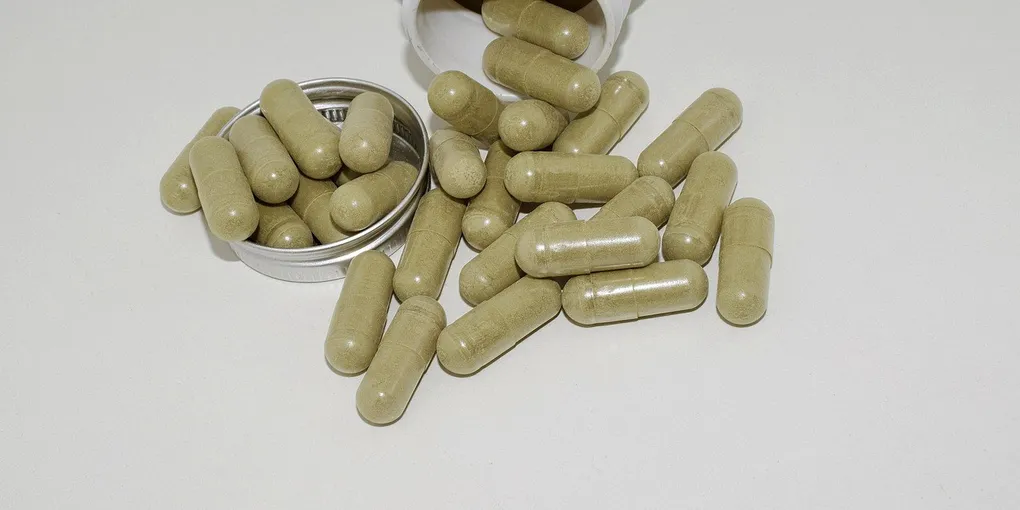
Gaia Herbs Olive Leaf
Best OverallDose: 500mg (20% oleuropein = 100mg)
$22–28 / 60 capsules
Quick Comparison
| Product | Key Specs | Price Range | Buy |
|---|---|---|---|
| Gaia Herbs Olive Leaf Best Overall |
| $22–28 / 60 capsules | Check Price |
| NOW Foods Olive Leaf Extract Best Value |
| $12–16 / 120 capsules | Check Price |
| Seagate Olive Leaf Extract Best High-Potency |
| $24–30 / 100 capsules | Check Price |
| Barlean's Organic Olive Leaf Complex Best Liquid Option |
| $18–22 / 16 fl oz | Check Price |
Contains affiliate links — we may earn a small commission at no extra cost to you.
Best Olive Leaf Extract Supplement 2026: Antiviral, Immune & Blood Pressure Support
Olive oil gets the nutrition headlines, but olive leaves contain higher concentrations of oleuropein — the polyphenol responsible for the Mediterranean olive tree’s remarkable bioactivity. Olive leaf extract is one of the few herbal supplements with a head-to-head clinical trial against a standard pharmaceutical, and it has a plausible mechanistic basis for antiviral, antimicrobial, and cardiovascular benefits.
The key to evaluating olive leaf supplements is simple: oleuropein percentage matters above all else. Two products can both say “500mg olive leaf extract” but deliver 30mg or 100mg of oleuropein — a 3x difference in active compound content.
What Is Olive Leaf Extract?
Olive (Olea europaea) leaves have been used in Mediterranean folk medicine for millennia — longer than olive oil itself. Modern research has identified oleuropein as the primary bioactive, along with its metabolites hydroxytyrosol and elenolic acid.
Primary active compounds:
- Oleuropein: The parent compound; primary antioxidant, antiviral, and antihypertensive agent
- Hydroxytyrosol: Oleuropein’s major metabolite; one of the most potent natural antioxidants identified (ORAC value among the highest measured)
- Elenolic acid: Antiviral component formed during oleuropein hydrolysis
- Flavonoids (luteolin, apigenin): Anti-inflammatory phenolics present in smaller amounts
Primary mechanisms:
- ACE inhibition: Oleuropein and hydroxytyrosol inhibit angiotensin-converting enzyme (ACE), reducing blood vessel constriction and lowering blood pressure — the same mechanism as captopril-class drugs
- Antiviral activity: Elenolic acid interferes with viral replication; oleuropein disrupts viral membrane integrity
- Antioxidant activity: Hydroxytyrosol scavenges reactive oxygen species, with ORAC values exceeding vitamin E and resveratrol
- Anti-inflammatory: Suppression of inflammatory cytokines (TNF-α, IL-1β, IL-6) via NF-κB pathway modulation
The Science: What Olive Leaf Research Actually Shows
Blood Pressure (Strongest Human Evidence)
The landmark clinical trial was a double-blind RCT published in Phytomedicine (Susalit et al., 2011; doi:10.1016/j.phymed.2011.02.013):
- 232 patients with stage 1 hypertension
- Randomized to EFLA943 olive leaf extract (500mg twice daily) vs. captopril (12.5–25mg twice daily)
- 8 weeks: olive leaf reduced systolic BP by 11.5 mmHg, diastolic by 4.8 mmHg
- Captopril reduced systolic by 13.7 mmHg, diastolic by 6.4 mmHg — a comparable reduction
- Olive leaf additionally improved LDL cholesterol and triglycerides; captopril did not
This is exceptional evidence by herbal standards — a head-to-head against a pharmaceutical in a properly powered RCT.
Antiviral and Immune Effects
The antiviral evidence is primarily in vitro and animal-based. A 2009 study in Biochemical and Biophysical Research Communications demonstrated oleuropein’s ability to inhibit Influenza A viral entry at concentrations achievable with standard supplementation (Lee-Huang et al., 2009). Human clinical trials specifically testing olive leaf against viral infections are limited, and results are not yet definitive.
Antioxidant and Metabolic Effects
A 2014 randomized crossover trial published in Nutrients (de Bock et al., 2014; doi:10.3390/nu6051407) found olive leaf extract improved insulin sensitivity and reduced blood pressure in overweight men, with significant improvements in homeostatic model assessment (HOMA-IR) scores. These metabolic effects appear mechanistically linked to oleuropein’s antioxidant and anti-inflammatory activity.
Best Olive Leaf Extract Supplements 2026
1. Gaia Herbs Olive Leaf — Best Overall
Gaia Herbs is a premium herbal brand with one of the most rigorous quality standards in the supplement industry. Their “Liquid Phyto-Caps” use a liquid-in-capsule delivery for improved bioavailability, standardized to 20% oleuropein (100mg per 500mg capsule). B Corp certified and NSF certified — among the highest standards available. This is the top choice for users who prioritize quality over price.
Composite Score: 9.0/10
| Factor | Score | Notes |
|---|---|---|
| Evidence Quality (30%) | 9/10 | 20% oleuropein matches clinical dose |
| Ingredient Transparency (25%) | 9/10 | Full standardization disclosed |
| Value (20%) | 7/10 | ~$0.37–0.47/serving |
| Real-World Performance (15%) | 9/10 | Very high verified review satisfaction |
| Third-Party Verification (10%) | 10/10 | NSF + B Corp |
2. NOW Foods Olive Leaf Extract — Best Value
NOW Foods provides a 500mg capsule at 6% oleuropein — delivering 30mg oleuropein per capsule. This is below the clinical trial dose but is the most cost-effective option at scale. For cardiovascular or immune support at the studied dose (100–200mg oleuropein/day), users would need 3–7 capsules daily — reducing the value advantage. Best for those wanting a low-cost entry point; scale up to 3–4 capsules for clinical dose equivalence.
Composite Score: 7.5/10
| Factor | Score | Notes |
|---|---|---|
| Evidence Quality (30%) | 6/10 | 6% oleuropein is below clinical range per capsule |
| Ingredient Transparency (25%) | 8/10 | % disclosed clearly |
| Value (20%) | 9/10 | ~$0.10–0.13/serving |
| Real-World Performance (15%) | 8/10 | Strong brand, many reviews |
| Third-Party Verification (10%) | 8/10 | NPA GMP |
3. Seagate Olive Leaf Extract — Best High-Potency
Seagate uses a high-potency 18–20% oleuropein standardization, comparable to Gaia Herbs, at a lower price point. The company grows and processes olives specifically for extract production and provides COAs upon request. Best for users who want the clinical dose (100mg oleuropein per capsule) without the Gaia price premium.
Composite Score: 8.3/10
| Factor | Score | Notes |
|---|---|---|
| Evidence Quality (30%) | 9/10 | 18–20% oleuropein matches clinical dose |
| Ingredient Transparency (25%) | 8/10 | COA available, % range disclosed |
| Value (20%) | 8/10 | ~$0.24–0.30/serving |
| Real-World Performance (15%) | 8/10 | Loyal customer base, consistent reviews |
| Third-Party Verification (10%) | 7/10 | COA available, no NSF certification |
4. Barlean’s Organic Olive Leaf Complex — Best Liquid Option
Barlean’s offers a USDA Organic certified liquid olive leaf complex. Liquid delivery may offer faster absorption than capsules. Oleuropein content per serving varies and is not precisely specified, which is a transparency limitation. Best for users who prefer liquid supplements or cannot swallow capsules. USDA Organic certification ensures no synthetic pesticides or fertilizers.
Composite Score: 7.0/10
| Factor | Score | Notes |
|---|---|---|
| Evidence Quality (30%) | 6/10 | Oleuropein % not specified per serving |
| Ingredient Transparency (25%) | 6/10 | No standardized oleuropein content on label |
| Value (20%) | 8/10 | Cost-effective per volume |
| Real-World Performance (15%) | 7/10 | Good reviews for palatability |
| Third-Party Verification (10%) | 9/10 | USDA Organic certified |
How to Use Olive Leaf Extract
For Blood Pressure Support (Strongest Evidence)
- Dose: 500mg of a 20% oleuropein extract twice daily (= 200mg oleuropein/day) — matching the Susalit 2011 RCT
- Duration: Minimum 4–8 weeks to assess BP effects
- Timing: With meals
- Important: Do not replace prescription antihypertensives without physician consultation. Olive leaf is a complement or option for borderline/stage 1 hypertension, not a replacement for severe hypertension management.
For Immune and Antiviral Support
- Dose: 500–750mg/day of a 15–20% extract
- Duration: Acute use (5–10 days) or seasonal prevention (6–8 weeks)
- Timing: With food
What to Look for on the Label
Always check for:
- Oleuropein percentage (aim for 15–20%)
- Standardized extract (not just dried leaf powder)
- Third-party testing or COA availability
How We Score
We evaluate each product using a 5-factor composite scoring system aligned with our How We Test methodology:
| Factor | Weight | What We Measure |
|---|---|---|
| Evidence Quality | 30% | Oleuropein % match to clinical trials |
| Ingredient Transparency | 25% | Standardization % disclosed, label clarity |
| Value | 20% | Cost per serving |
| Real-World Performance | 15% | Verified purchase reviews, user signals |
| Third-Party Verification | 10% | NSF, USDA Organic, NPA GMP, COA |
Who Should Consider Olive Leaf Extract
Strong candidates:
- Adults with borderline or stage 1 hypertension seeking a natural complement to lifestyle changes
- People looking for an antioxidant-rich polyphenol beyond curcumin and resveratrol
- Individuals interested in Mediterranean diet compounds in supplement form
Use caution or consult a physician:
- People on antihypertensive medications (additive BP-lowering; risk of hypotension)
- Those on blood thinners — oleuropein has mild antiplatelet properties
- Pregnant or breastfeeding women (insufficient safety data)
Related Articles
- Best Andrographis Supplement — Complementary immune herb with stronger acute cold evidence
- Best Berberine Supplement — Another evidence-based botanical with cardiovascular benefits
- Best Quercetin Supplement — Flavonoid with complementary antiviral and anti-inflammatory activity
- Best Astaxanthin Supplement — Marine carotenoid antioxidant comparison
- Best Curcumin Turmeric Supplement — Anti-inflammatory polyphenol comparison
Frequently Asked Questions
What is the best olive leaf extract supplement? For clinical-dose oleuropein content, Gaia Herbs (20% standardization, NSF certified) is the top pick. For the best value with high potency, Seagate (18–20% oleuropein) is the runner-up. NOW Foods is the budget option, though lower oleuropein % per capsule means taking more capsules for the clinical dose.
How much oleuropein should I get per day? The best-evidenced protocol for blood pressure uses 200mg oleuropein/day (1000mg of a 20% extract, split across two doses). For general immune and antioxidant use, 50–100mg oleuropein/day is commonly used. Always read the standardization percentage — not just the milligram content of the extract.
Does olive leaf extract really lower blood pressure? Clinical evidence says yes, for stage 1 hypertension. The Susalit et al. (2011) RCT showed comparable reductions to captopril (an ACE inhibitor drug) in patients with stage 1 hypertension. Effects are meaningful (~11 mmHg systolic, ~5 mmHg diastolic) but not appropriate as monotherapy for moderate-severe hypertension. Work with your physician.
Is olive leaf extract the same as olive oil? No. Olive oil is pressed from the fruit; olive leaf extract is from the leaves. The leaves contain substantially higher concentrations of oleuropein than the fruit. Olive oil contains some oleocanthal and hydroxytyrosol (especially in early harvest extra-virgin varieties), but not at the concentrations found in standardized leaf extracts.
Frequently Asked Questions
- Olive leaf extract is derived from the leaves of the olive tree (Olea europaea). Its primary active compound, oleuropein, is a secoiridoid polyphenol with demonstrated antiviral, antibacterial, antioxidant, and antihypertensive properties in peer-reviewed research. Standardized olive leaf extracts (10–25% oleuropein) are the form used in clinical trials. Evidence is strongest for blood pressure reduction and as an adjunct antiviral/antimicrobial agent.
- Studies on blood pressure used 500–1000mg of olive leaf extract standardized to approximately 20% oleuropein (= 100–200mg oleuropein/day). The most-cited clinical trial (Susalit et al., 2011) used 500mg of EFLA943 standardized extract twice daily (1000mg/day total). For antiviral and immune applications, 500–750mg/day is most commonly studied. Always check the oleuropein percentage on the label — 500mg of a 6% extract provides only 30mg oleuropein, vs. 100mg from a 20% extract.
- Yes, there is clinical evidence. A 2011 double-blind RCT published in Phytomedicine (Susalit et al., 2011; doi:10.1016/j.phymed.2011.02.013) compared olive leaf extract (EFLA943, 500mg twice daily) to captopril (a standard ACE inhibitor antihypertensive) in patients with stage 1 hypertension. After 8 weeks, olive leaf extract reduced systolic BP by 11.5 mmHg and diastolic by 4.8 mmHg — statistically comparable to captopril. It is not a replacement for prescription antihypertensives in moderate-severe hypertension, but it has meaningful effects for stage 1/borderline high blood pressure.
- Oleuropein and its metabolite hydroxytyrosol interfere with viral replication through multiple mechanisms. In vitro studies show oleuropein inhibits viral entry by interfering with envelope glycoproteins, disrupts viral membrane integrity, and suppresses viral replication enzymes. Laboratory studies have demonstrated activity against influenza A, herpes simplex, HIV (in cell culture), and other enveloped viruses. Human clinical evidence for antiviral benefits specifically is limited — most evidence is in vitro or animal-based.
- Olive leaf extract is generally safe at standard doses (500–1000mg/day) for healthy adults. The most common side effects are mild GI upset (nausea, diarrhea) and the theoretical "die-off" reaction (Herxheimer reaction) some users report when starting — attributed to rapid antimicrobial activity. It should be used cautiously with antihypertensives (additive BP-lowering effect) and blood thinners (oleuropein has mild antiplatelet properties). Not enough safety data for pregnancy.