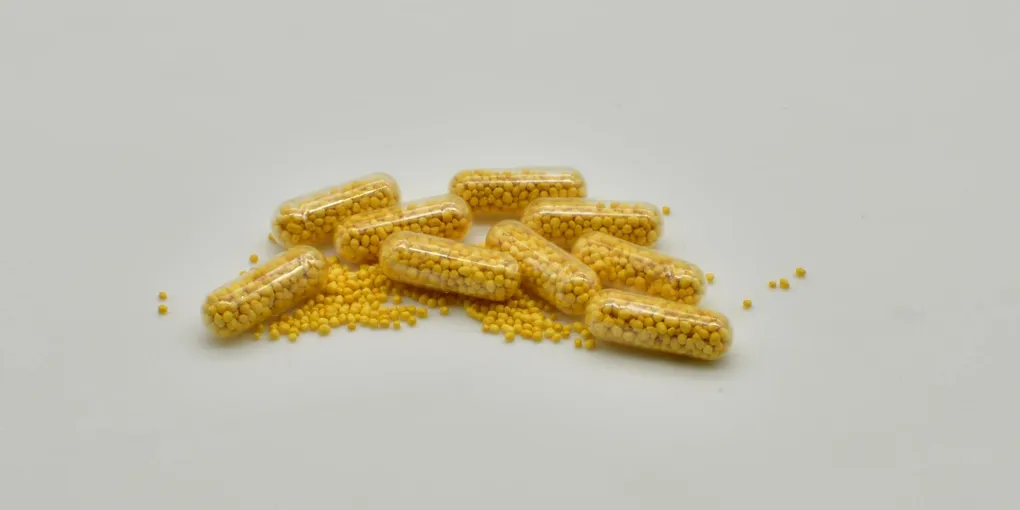
Thorne Magnesium Bisglycinate
Best OverallDose: 200mg elemental magnesium
$0.38/serving
Quick Comparison
| Product | Key Specs | Price Range | Buy |
|---|---|---|---|
| Thorne Magnesium Bisglycinate Best Overall |
| $0.38/serving | Check Price |
| Momentous Apigenin Best Single-Ingredient Non-Hormonal |
| $0.67/serving | Check Price |
| Life Extension Melatonin 300mcg Best Melatonin |
| $0.07/serving | Check Price |
| Jarrow Formulas Theanine 200 |
| $0.22/serving | Check Price |
| NOW Foods Glycine |
| $0.08/serving | Check Price |
Contains affiliate links — we may earn a small commission at no extra cost to you.
Best Sleep Supplements 2026: Ranked by Evidence, Not Marketing
Part of our Sleep & Recovery Guide — supplements, protocols, and tools for better sleep and faster recovery.
The sleep supplement market is worth over $2 billion in the US alone — and most of it is built on poor evidence, proprietary blends, and overpriced melatonin doses that are 10× higher than what clinical research supports. This guide cuts through the noise.
We reviewed the peer-reviewed literature on the five most evidence-supported sleep supplement mechanisms, evaluated the leading products in each category against clinical dosing standards, and ranked them by what the evidence actually supports — not what their marketing claims.
For specific sleep contexts (anxiety-driven insomnia, shift work, perimenopause), see our related guides on best sleep supplements for anxiety and best sleep supplement stacks for insomnia.
How We Evaluated These Sleep Supplements
Using our 6-step review methodology:
- Literature review — PubMed, Examine.com, and Cochrane for human RCT evidence on each ingredient
- Label analysis — dose vs. clinically studied dose, bioavailability form, excipients/fillers
- Value analysis — cost-per-serving vs. comparable products
- Real-world signal synthesis — verified purchaser reviews, ConsumerLab reports where available
- Evidence synthesis — where literature and label align or conflict
- Composite scoring — Evidence Quality (30%), Transparency (25%), Value (20%), Real-World Performance (15%), Third-Party Verification (10%)
The 5 Best-Evidenced Sleep Supplement Mechanisms
Before reviewing products, it’s worth understanding what mechanisms have real evidence behind them. Most sleep supplements fall into one of five categories:
| Mechanism | Ingredient | Strength of Evidence |
|---|---|---|
| Circadian entrainment | Melatonin | Strong (100+ RCTs) |
| NMDA modulation / GABA support | Magnesium | Strong (multiple RCTs in deficient populations) |
| Core body temp reduction | Glycine | Moderate (3–4 RCTs) |
| Alpha-wave promotion | L-Theanine | Moderate (primarily EEG studies) |
| GABA-A partial agonism | Apigenin | Early (limited human RCTs) |
Best Sleep Supplements Reviewed
Thorne Magnesium Bisglycinate — Best Overall
Score: 8.8/10
Magnesium is involved in over 300 enzymatic reactions in the body and plays a direct role in sleep regulation through NMDA receptor modulation and GABA system support. Magnesium bisglycinate (also called magnesium glycinate) is the most bioavailable oral form and the least likely to cause gastrointestinal side effects.
The evidence:
- Nielsen et al., 2010 (doi:10.1016/j.maturitas.2010.11.003) found that magnesium supplementation in older adults (500mg/day for 8 weeks) significantly improved sleep efficiency, sleep time, and early morning awakening scores vs. placebo.
- Abbasi et al., 2012 (doi:10.1186/1745-6215-13-123) found 500mg magnesium daily for 8 weeks significantly improved insomnia severity, sleep efficiency, and serum melatonin levels vs. placebo in a double-blind RCT of 46 elderly participants.
- An estimated 45–68% of Americans do not meet the recommended daily intake for magnesium (Rosanoff et al., 2012, doi:10.1177/1559827611421076) — this deficiency directly reduces sleep quality.
Label analysis: Thorne uses magnesium bisglycinate chelate — the glycine moiety improves absorption vs. cheaper oxide or citrate forms. Each serving provides 200mg elemental magnesium (not total compound weight — a common label deception to avoid). NSF Certified for Sport confirms third-party purity testing.
Pros:
- NSF Certified for Sport — purity independently verified
- Bisglycinate form — superior bioavailability, minimal GI side effects
- Clear dosing (elemental Mg, not compound weight)
- Thorne’s manufacturing standards are among the best in the supplement industry
Cons:
- $0.38/serving is mid-range (budget options exist at $0.10/serving)
- RCT evidence strongest in magnesium-deficient populations — benefits may be smaller if replete
Composite score breakdown:
- Evidence Quality: 9/10
- Ingredient Transparency: 9/10
- Value: 7.5/10
- Real-World Performance: 9/10
- Third-Party Verification: 9/10
Momentous Apigenin — Best Single-Ingredient Non-Hormonal
Score: 7.9/10
Apigenin is a flavone found in chamomile and parsley that acts as a partial agonist at GABA-A receptors — the same receptors targeted by benzodiazepines, but with a much weaker (and safer) binding affinity. It’s been popularized by researchers including Andrew Huberman and has a developing evidence base.
The evidence:
- Avallone et al., 2000 (doi:10.1016/S0006-8993(00)02464-X) demonstrated apigenin’s binding activity at GABA-A receptor benzodiazepine sites in a rat model, confirming the anxiolytic mechanism.
- Hossain et al., 2004 (PMID: 15489341) found apigenin produced sedative and anxiolytic effects in rodent models at doses equivalent to 50mg+ in humans.
- Limitation: Most apigenin research is preclinical (animal models). Direct human RCT evidence on sleep quality is limited — the mechanistic case is stronger than the outcomes case.
Label analysis: 50mg is the dose used in most preclinical models and the standard dose used by researchers who discuss apigenin for sleep. Momentous uses pure apigenin (from chamomile extract standardized to 98%+ apigenin) with no proprietary blends. NSF Certified for Sport.
Pros:
- NSF Certified for Sport — important for athletes
- Exact dose matching research models
- Non-hormonal mechanism (does not affect melatonin or cortisol pathways)
- Pairs well with magnesium glycinate for a non-pharmaceutical sleep stack
Cons:
- $0.67/serving — expensive for the evidence level
- Human RCT evidence is limited — preclinical data is promising but not definitive
- Long-term nightly use safety profile not well established
Composite score breakdown:
- Evidence Quality: 6.5/10 (strong preclinical, limited human RCTs)
- Ingredient Transparency: 9/10
- Value: 6/10
- Real-World Performance: 8.5/10 (strong consumer response, plausible mechanism)
- Third-Party Verification: 9/10
Life Extension Melatonin 300mcg — Best Melatonin
Score: 8.5/10
Melatonin is the most researched sleep compound on the market. The problem isn’t the ingredient — it’s that 95% of consumer products contain 3–10mg doses when the research supports 0.3mg (300mcg) as the effective dose for sleep onset.
The evidence:
- Brzezinski et al., 2005 (doi:10.1093/sleep/28.10.1293) concluded in a systematic review of 17 RCTs that 0.3mg melatonin produces a robust sleep-onset effect with significantly less risk of grogginess than higher doses.
- Lewy et al., 1993 (PMID: 8424024) established that physiological melatonin concentrations (consistent with 0.3–0.5mg oral supplementation) are sufficient for circadian phase-shifting.
- A 2017 meta-analysis (Ferracioli-Oda et al., doi:10.1371/journal.pone.0063773) confirmed melatonin reduces sleep-onset time by ~7 minutes and increases total sleep time by ~8 minutes vs. placebo — modest but consistent effects.
Label analysis: Life Extension’s 300mcg tablet is one of the few products accurately matching the clinically studied dose. USP tested for purity and potency. The low dose reduces the risk of next-morning grogginess and minimizes potential suppression of endogenous melatonin production over time.
Pros:
- Clinically appropriate dose (0.3mg vs. the 3–10mg in most products)
- USP tested — independent purity verification
- Lowest cost-per-serving in this roundup ($0.07)
- Ideal timing: 30–60 min before target bedtime
Cons:
- Melatonin is a hormone — long-term nightly use requires consideration
- Less effective if sleep issue is not circadian (e.g., middle-of-night waking, anxiety-driven insomnia)
- Some users need 0.5–1mg for effect — 300mcg may be insufficient
Composite score breakdown:
- Evidence Quality: 9.5/10 (strongest evidence base of all sleep supplements)
- Ingredient Transparency: 9/10
- Value: 10/10
- Real-World Performance: 8/10
- Third-Party Verification: 8.5/10
Jarrow Formulas Theanine 200 — Best for Stress-Driven Sleep Disruption
Score: 7.6/10
L-theanine is an amino acid found in green tea that promotes alpha-wave brain activity — the neural state associated with relaxed alertness. It reduces sleep latency and improves sleep quality through reduced pre-sleep anxiety rather than direct sedation.
The evidence:
- Kimura et al., 2007 (doi:10.1111/j.1479-8425.2006.00258.x) found 200mg L-theanine significantly increased alpha-wave activity within 40 minutes of ingestion vs. placebo in healthy adults.
- Lyon et al., 2011 (PMID: 21303262) found 400mg/day L-theanine for 6 weeks significantly improved sleep quality in boys with ADHD, reducing sleep latency and night awakening scores.
- L-theanine does not cause sedation — it works by reducing the hyperarousal that delays sleep onset, making it most effective for stress or anxiety-driven sleep disruption.
Label analysis: 200mg is the standard dose used across most L-theanine research. Jarrow uses Suntheanine — a patented, pharmaceutical-grade L-theanine produced by Taiyo International with >99% purity. This is a meaningful quality differentiator vs. generic L-theanine.
Pros:
- Uses Suntheanine (standardized, pharmaceutical-grade form)
- Non-sedating — no grogginess risk
- Safe to combine with melatonin or magnesium
- Effective for stress-related insomnia at a reasonable price
Cons:
- Less effective for non-anxiety sleep disruption (circadian, apnea, primary insomnia)
- 200mg may require doubling to 400mg for some users
Composite score breakdown:
- Evidence Quality: 7.5/10
- Ingredient Transparency: 8/10
- Value: 8.5/10
- Real-World Performance: 8/10
- Third-Party Verification: 7.5/10
NOW Foods Glycine — Best for Sleep Quality Improvement
Score: 8.1/10
Glycine is a non-essential amino acid with a direct, under-appreciated mechanism for improving sleep quality: it reduces core body temperature via peripheral vasodilation, which is the same physiological trigger that naturally signals sleep onset. It does not induce sedation — it facilitates the body’s natural thermoregulatory sleep cue.
The evidence:
- Yamadera et al., 2007 (doi:10.1007/s12272-007-1995-1) found 3g glycine taken before bedtime significantly improved subjective sleep quality, reduced fatigue at waking, and reduced time to sleep onset vs. placebo in a crossover RCT.
- Kawai et al., 2015 (doi:10.1080/14756366.2014.1003584) confirmed glycine’s mechanism: oral supplementation increases skin surface temperature (peripheral vasodilation) and decreases core body temperature, accelerating sleep onset.
- At 3g/night, glycine is safe and well-tolerated — it’s a naturally occurring amino acid with no established toxic dose in normal ranges.
Label analysis: NOW Foods Glycine powder provides exactly 3g per teaspoon — matching the RCT dose. Powder form is more economical than capsules (at $0.08/serving). GMP certified facility. No proprietary blends, no fillers.
Pros:
- Mechanistically sound: core temperature reduction is a validated sleep-onset signal
- RCT evidence directly matching the dose and form
- Lowest cost-per-serving alongside melatonin ($0.08)
- Tasteless and mixes easily with water or a pre-sleep drink
- Pairs well with magnesium and theanine in a non-sedating stack
Cons:
- Requires 3g dose — bulky for capsule format (powder preferred)
- Effect strongest on sleep quality/morning energy, not on sleep onset latency
- Less recognizable brand for new supplement users
Composite score breakdown:
- Evidence Quality: 8.5/10
- Ingredient Transparency: 9/10
- Value: 10/10
- Real-World Performance: 8/10
- Third-Party Verification: 7/10
Head-to-Head Comparison
| Thorne Magnesium | Momentous Apigenin | Life Extension Melatonin | Jarrow Theanine | NOW Glycine | |
|---|---|---|---|---|---|
| Price/serving | $0.38 | $0.67 | $0.07 | $0.22 | $0.08 |
| Dose | 200mg Mg | 50mg | 0.3mg | 200mg | 3,000mg |
| Mechanism | NMDA/GABA | GABA-A partial agonist | MT1/MT2 agonist | Alpha-wave | Core temp ↓ |
| Evidence Level | Strong | Moderate | Very Strong | Moderate | Moderate |
| 3rd-Party Cert | NSF Sport | NSF Sport | USP | Suntheanine | GMP |
| Best for | Sleep quality + deficiency | Non-hormonal, anxiety | Sleep onset, circadian | Stress-driven disruption | Sleep quality, morning freshness |
| Score | 8.8/10 | 7.9/10 | 8.5/10 | 7.6/10 | 8.1/10 |
Who Should Choose What
Choose Thorne Magnesium Bisglycinate if you have poor sleep quality, wake frequently, or suspect magnesium deficiency (common in people who sweat heavily, drink alcohol regularly, or eat a low-vegetable diet).
Choose Life Extension Melatonin 300mcg if your primary issue is sleep onset (getting to sleep, not staying asleep), or if you have jet lag, shift work, or delayed sleep phase disorder.
Choose NOW Foods Glycine if you want to improve sleep quality and feel more refreshed in the morning — especially if you already sleep a reasonable number of hours but still feel unrestored.
Choose Jarrow Theanine if pre-sleep anxiety or a racing mind is your primary sleep obstacle.
Choose Momentous Apigenin if you want a non-hormonal complement to magnesium and are interested in GABA-adjacent mechanisms without taking pharmaceutical sedatives.
Frequently Asked Questions
What is the most evidence-backed sleep supplement?
Melatonin has the largest RCT base (100+ studies). Magnesium glycinate has strong evidence specifically in deficient populations. Glycine has 3–4 direct RCTs supporting its mechanism. The “best” depends entirely on your specific sleep problem — see the mechanism table above.
Can I stack these supplements?
Yes — magnesium glycinate + glycine + low-dose melatonin is a well-tolerated, non-pharmaceutical sleep stack with complementary mechanisms. Adding L-theanine for anxiety-driven sleep disruption is reasonable. Apigenin can be added but daily long-term use should be conservative given limited long-term human data.
What dose of melatonin should I take?
Start with 0.3mg (300mcg) — not the 5–10mg doses common in retail products. Brzezinski et al., 2005 (doi:10.1093/sleep/28.10.1293) showed 0.3mg is as effective as higher doses for sleep onset with fewer side effects.
Are sleep supplements safe long-term?
Magnesium, glycine, and L-theanine at studied doses are safe long-term. Melatonin is generally regarded as safe for months; nightly use beyond 6 months should be discussed with a clinician. Apigenin’s long-term safety profile is still developing — occasional rather than nightly use is prudent.
What should I avoid combining with melatonin?
Avoid alcohol (degrades sleep quality, potentiates sedation), benzodiazepines, sedative medications, and blood thinners. Consult a physician if you take any prescription medications.
Final Verdict
Best overall: Thorne Magnesium Bisglycinate — the strongest combination of evidence, bioavailability, and third-party verification for most sleep quality complaints. Score: 8.8/10
Best for sleep onset: Life Extension Melatonin 300mcg — unmatched evidence base at a clinically appropriate dose for the price. Score: 8.5/10
Best value stack: Melatonin 300mcg + NOW Glycine — for under $0.20/night combined, you get two complementary, evidence-based mechanisms targeting both sleep onset and sleep quality.
No supplement compensates for fundamentally poor sleep hygiene. But if your habits are already solid and sleep is still an issue, the evidence-based options in this guide represent the most honest and effective choices available.
All prices are approximate and subject to change. Scores reflect evidence-based analysis and are not influenced by affiliate compensation. This article is AI-assisted and research-based; see our editorial policy and how we test standards.
Frequently Asked Questions
- Melatonin has the strongest evidence base for sleep onset when circadian disruption is the issue (jet lag, shift work, delayed sleep phase). Magnesium glycinate has strong evidence for sleep quality in magnesium-deficient individuals. Neither is a sedative — they work through different mechanisms and are appropriate for different sleep problems.
- Most people take far more than necessary. Brzezinski et al., 2005 (doi:10.1093/sleep/28.10.1293) found that 0.3mg (300mcg) is as effective as 3mg for sleep onset, with less next-morning grogginess. Start at 0.3–0.5mg, taken 30–60 minutes before target sleep time. Higher doses (3–10mg) are not more effective for sleep induction and may blunt natural melatonin production.
- Melatonin is safe nightly for short-term use (weeks to months); long-term nightly use should be evaluated by a clinician. Magnesium glycinate and glycine are safe indefinitely at studied doses. L-theanine has a strong safety profile at 200–400mg daily. Apigenin's long-term safety profile is less studied at supplemental doses — occasional rather than nightly use is a reasonable default.
- No. Sleep supplements address specific biological mechanisms; they cannot compensate for inconsistent sleep schedules, blue light exposure before bed, excessive caffeine, or high stress. Supplements are most effective as additions to established sleep hygiene — not replacements. For foundational sleep improvement, prioritize sleep schedule consistency, room temperature (65–68°F), and darkness.
- Avoid combining melatonin with alcohol (potentiates sedation, reduces sleep quality), blood thinners (potential interaction), and sedative medications (additive effect). Melatonin can also interact with immunosuppressants and birth control pills — consult a physician if you take any prescription medications.