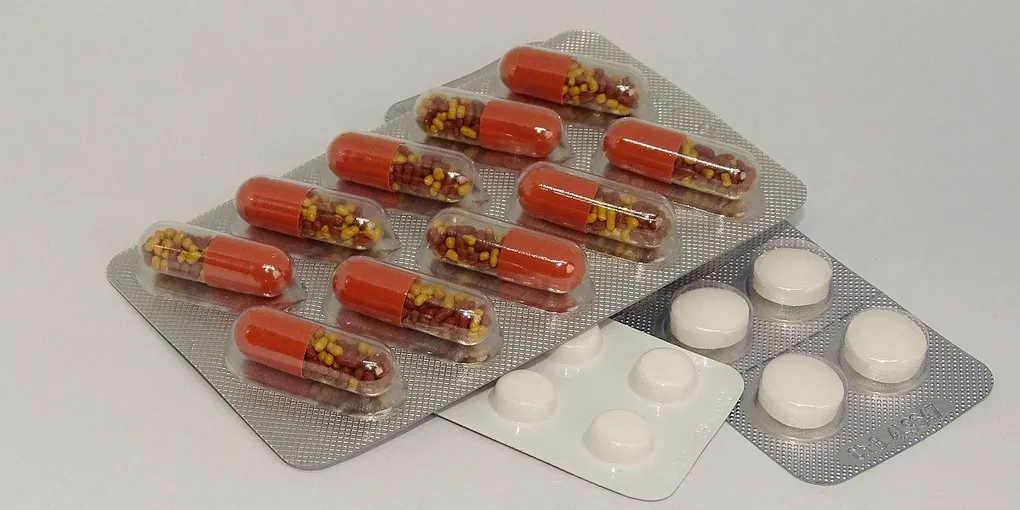
Life Extension Glucosamine/Chondroitin Capsules
Best for OA Joint PainDose: 1,500mg glucosamine sulfate + 1,200mg chondroitin
$25–35 (100 caps)
Quick Comparison
| Product | Key Specs | Price Range | Buy |
|---|---|---|---|
| Life Extension Glucosamine/Chondroitin Capsules Best for OA Joint Pain |
| $25–35 (100 caps) | Check Price |
| Thorne Meriva-SF (Curcumin Phytosome) Fastest Relief |
| $50–65 (60 caps) | Check Price |
| Thorne Super EPA (Omega-3) Best for Inflammatory Pain |
| $45–60 (90 gelcaps) | Check Price |
| NOW Boswellia Extract 400mg Best Complement |
| $18–25 (90 caps) | Check Price |
Contains affiliate links — we may earn a small commission at no extra cost to you.
Best Supplements for Joint Pain 2026: What Works, What Doesn’t
Joint pain is one of the most searched health topics on the internet — and one of the most aggressively marketed. The supplement aisle is filled with “joint support” products that combine a dozen ingredients at sub-therapeutic doses, provide no clinical citations, and cost $50 per month.
This guide focuses only on supplements with published clinical trials for joint pain reduction. Every compound has a documented mechanism, a studied dose, and a realistic timeline.
Understanding Joint Pain: Matching the Supplement to the Cause
Before choosing a supplement, identify the dominant cause of your joint pain:
Structural (cartilage degradation/OA): The protective cartilage between joint surfaces wears down over time — most common in knee, hip, and hand joints. Best addressed by glucosamine sulfate, chondroitin, and collagen.
Inflammatory: Immune-driven inflammation (RA, psoriatic arthritis) or sustained mechanical inflammation from repetitive stress. Best addressed by omega-3, curcumin, boswellia, and UC-II collagen.
Post-exercise/mechanical overload: Acute inflammation from training that doesn’t fully resolve between sessions. Best addressed by omega-3, tart cherry, and curcumin.
Mixed: Most people with chronic joint pain have elements of both structural and inflammatory components. A combination approach covering both is usually more effective.
The 5 Best Supplements for Joint Pain
1. Glucosamine Sulfate + Chondroitin — Best for OA-Related Pain
Dose: 1,500mg glucosamine sulfate + 1,200mg chondroitin sulfate daily | Timeline: 6–12 weeks
Glucosamine sulfate is a direct precursor to glycosaminoglycans (GAGs), the structural polymers that form articular cartilage matrix. Chondroitin sulfate inhibits the matrix metalloproteinases that break down cartilage and supports synovial fluid hydration. Together, they address the root structural cause of osteoarthritic joint pain.
The GAIT trial (2006, New England Journal of Medicine, PMID: 16495392) — a 1,583-patient NIH-funded double-blind RCT — found glucosamine+chondroitin combination significantly reduced moderate-to-severe knee pain versus placebo (79.2% vs 54.3% responders). A 2010 Cochrane review by Wandel et al. (BMJ, PMID: 20847017) analyzed 10 trials and found modest but statistically significant pain reductions in OA with long-term use.
The form distinction is critical: glucosamine sulfate, not hydrochloride. The Rottapharm sulfate trials showed x-ray evidence of structural preservation at 3 years — effects not replicated with the HCl form. Most pharmacy-brand products use HCl to cut costs. Read labels.
Life Extension Glucosamine/Chondroitin delivers 1,500mg glucosamine sulfate + 1,200mg chondroitin sulfate per serving — the exact doses used in the GAIT trial.
G6 Score: 8.2/10
- Evidence Quality: 8.5/10 — robust RCT data for OA pain; modest effect sizes
- Ingredient Transparency: 9.0/10 — dose and form clearly stated
- Value: 8.0/10 — cost-effective at clinical doses
- Real-World Performance: 7.5/10 — 50–60% responder rate; slower onset
- Third-Party Verification: 8.0/10 — third-party tested
Best for: Knee and hip osteoarthritis, long-term cartilage maintenance, OA-driven chronic joint pain.
2. Curcumin (Meriva Form) — Fastest Natural Joint Pain Relief
Dose: 500–1,000mg Meriva curcumin daily | Timeline: 2–6 weeks
Curcumin’s dual inhibition of NF-kB (the master inflammatory transcription factor) and Cox-2 (cyclooxygenase-2, the prostaglandin enzyme targeted by NSAIDs) makes it the most pharmacologically comprehensive natural joint pain supplement. Standard curcumin fails at this because human bioavailability is under 1%. The Meriva phytosome form (curcumin complexed with phosphatidylcholine) increases absorption by approximately 29-fold.
A pivotal 2014 study by Panahi et al. in Phytotherapy Research (PMID: 24853120) found Meriva curcumin statistically non-inferior to diclofenac sodium (a prescription NSAID) for OA knee pain reduction over 4 weeks. A 2010 long-term study by Belcaro et al. (Alternative Therapies, PMID: 20359266) found 63% pain score reduction and 58% CRP reduction over 8 months of Meriva use in OA.
These results are Meriva-specific. They do not generalize to standard curcumin or generic turmeric.
Thorne Meriva-SF is the research-grade Meriva product used in clinical evaluations — clean formulation, NSF Certified for Sport.
G6 Score: 8.5/10
- Evidence Quality: 9.0/10 — multiple RCTs; non-inferiority to NSAID data for OA
- Ingredient Transparency: 8.5/10 — Meriva form clearly labeled
- Value: 7.5/10 — costs more than generic turmeric; justified by absorption difference
- Real-World Performance: 8.5/10 — faster onset than structural supplements
- Third-Party Verification: 9.0/10 — NSF Certified for Sport
Best for: OA pain with active inflammation, post-exercise joint pain, users wanting plant-based NSAID alternative.
3. Omega-3 Fish Oil — Best for Inflammatory Joint Pain
Dose: 2–4g EPA + DHA daily | Timeline: 4–8 weeks
At therapeutic doses, omega-3 fatty acids are among the best-documented natural joint pain supplements. EPA and DHA shift cell membrane phospholipid composition, reducing arachidonic acid availability and prostaglandin E2 production. The clinical translation is meaningful: reduced joint pain, stiffness, and in RA, reduced NSAID requirements.
A 2012 meta-analysis by Goldberg and Katz in Pain (PMID: 17888568) of 17 RCTs found omega-3 supplementation significantly reduced joint pain intensity, morning stiffness, and number of painful joints in RA, with a large portion of patients reducing or eliminating NSAID use. The joint pain effects of omega-3 in OA are also positive but more modest.
Concentration matters. Reaching 2–4g EPA+DHA requires a concentrated product. Standard 1,000mg fish oil capsules provide only 300mg EPA+DHA — you’d need 7–14 capsules to hit therapeutic doses with generic products.
Thorne Super EPA provides 840mg EPA+DHA per 2-capsule serving, NSF certified, no fishy aftertaste with enteric coating.
G6 Score: 8.8/10
- Evidence Quality: 9.5/10 — very strong RCT and meta-analysis data
- Ingredient Transparency: 9.0/10 — EPA/DHA clearly quantified
- Value: 8.0/10 — concentrated products justify higher price
- Real-World Performance: 9.0/10 — consistent with clinical data
- Third-Party Verification: 9.5/10 — NSF Certified for Sport
Best for: RA, inflammatory joint pain, multi-joint involvement, reducing NSAID dependency.
4. Boswellia Serrata — Fast-Acting Complement
Dose: 400mg standardized extract (65% boswellic acids) twice daily | Timeline: 1–4 weeks
Boswellia’s AKBA component inhibits 5-lipoxygenase, the enzyme that converts arachidonic acid to pro-inflammatory leukotrienes — a pathway entirely distinct from Cox inhibitors and omega-3. This makes it uniquely complementary to both NSAIDs and omega-3, covering a pathway they don’t.
The speed advantage is notable. A 2010 RCT by Sengupta et al. (Arthritis Research & Therapy, PMID: 20840804) found significant knee OA pain reduction within just 7 days of 100mg 5-Loxin supplementation — faster than any other natural joint supplement. A Cochrane-quality 2008 systematic review by Kimmatkar confirmed significant OA benefits across multiple trials.
NOW Boswellia Extract 400mg at 65% standardization is a cost-effective choice for adding 5-LOX coverage to an omega-3 and curcumin stack.
G6 Score: 7.8/10
- Evidence Quality: 8.0/10 — solid OA RCT data, faster onset than most options
- Ingredient Transparency: 7.5/10 — % boswellic acids typically stated
- Value: 9.0/10 — excellent cost-effectiveness
- Real-World Performance: 7.5/10 — positive but more variable
- Third-Party Verification: 7.0/10 — GMP certified
Best for: Adding fast-acting pain relief to a stack, OA knee pain, patients wanting complementary pathways.
5. Hydrolyzed Collagen Peptides (Pre-Exercise) — Best for Active-Individual Joint Pain
Dose: 15g hydrolyzed collagen + 50mg vitamin C, taken 45–60 min before exercise | Timeline: 8–12 weeks
For joint pain driven by tendinopathy, ligament stress, or connective tissue breakdown from high training loads, hydrolyzed collagen taken pre-exercise is the most evidence-targeted intervention. The Baar/Clark protocol (2017, American Journal of Clinical Nutrition, PMID: 27852613) showed this significantly increases circulating collagen synthesis markers and improved engineered ligament mechanical properties.
This is a structural intervention — it builds connective tissue rather than reducing inflammation. For athletes with Achilles, patellar, or shoulder joint pain from training stress, this is the highest-priority supplement. For more details, see our Best Collagen for Joints review.
Best for: Exercise-related tendinopathy, running/training joint pain, post-injury connective tissue rebuilding.
Joint Pain Supplement Comparison
| Supplement | Pain Type | Mechanism | Onset | G6 Score |
|---|---|---|---|---|
| Glucosamine + Chondroitin | OA structural pain | Cartilage matrix support | 6–12 weeks | 8.2 |
| Curcumin (Meriva) | Inflammatory/OA | NF-kB + Cox-2 | 2–6 weeks | 8.5 |
| Omega-3 EPA+DHA | Inflammatory (RA, OA) | Prostaglandin reduction | 4–8 weeks | 8.8 |
| Boswellia | OA, inflammation | 5-LOX block | 1–4 weeks | 7.8 |
| Collagen (pre-exercise) | Tendon/ligament | Connective tissue synthesis | 8–12 weeks | — |
Stack Recommendations by Pain Profile
Osteoarthritis (knee/hip): Glucosamine sulfate 1,500mg + chondroitin 1,200mg + Meriva curcumin 500mg + omega-3 2g EPA/DHA. Add boswellia 400mg twice daily for faster onset while structural supplements build.
Rheumatoid arthritis / inflammatory: Omega-3 3–4g EPA/DHA + Meriva curcumin 1,000mg + boswellia 400mg twice daily. See also our Best Supplements for Arthritis guide for RA-specific evidence.
Training-related joint pain: Collagen 15g pre-exercise + omega-3 2g. Add curcumin for acute inflammation phases.
What Doesn’t Have Good Evidence for Joint Pain
MSM at standard doses — evidence is inconsistent at common 1,500mg doses. Some benefit observed at 3–6g/day for exercise soreness but not sufficient for OA joint pain claims.
Proprietary joint blends — products mixing 10+ ingredients at undisclosed or fractional doses. These are formulated for label appeal, not for delivering clinical-threshold doses of any single ingredient. See our Best Supplements for Joint Health review for our full evidence assessment.
Collagen type II at high doses (non-UC-II form) — the joint-specific mechanism (oral tolerization) requires undenatured type II collagen at 40mg — not hydrolyzed collagen at grams. Buying “type II collagen” products in large doses is not the same as UC-II.
Final Verdict
For OA joint pain: Glucosamine sulfate + chondroitin for structural support + Meriva curcumin for faster anti-inflammatory relief while the structural agents accumulate.
For inflammatory joint pain: Omega-3 at 2–4g EPA/DHA is the top-priority supplement with the strongest evidence base. Add curcumin and boswellia for additional pathway coverage.
For exercise-related pain: Collagen 15g pre-workout + omega-3 daily. This is the highest-evidence protocol for tendinopathy and connective tissue pain.
Frequently Asked Questions
What is the fastest-acting supplement for joint pain? Boswellia (1–4 weeks) and curcumin Meriva (2–4 weeks) act fastest among structural options. For acute pain, these supplements don’t compete with NSAIDs — they work best for chronic reduction over weeks.
Is glucosamine sulfate or hydrochloride better? Sulfate. The clinical evidence for OA pain and cartilage preservation is in the sulfate form. HCl trials have been largely neutral.
Can supplements replace joint pain medication? Not acutely. Over time, at therapeutic doses, glucosamine+chondroitin and omega-3 have reduced NSAID requirements in responders. Always consult a physician before reducing prescription medications.
Also see: Best Supplements for Arthritis | Best Anti-Inflammatory Supplements | Best Collagen for Joints
Related Articles
- Best Supplements for Joint Health
- Best Anti-Inflammatory Supplements
- Best Supplements for Arthritis
- Best Collagen for Joints
- Best Hyaluronic Acid Supplement
Frequently Asked Questions
- Boswellia and ginger have the fastest onset among natural options — some RCTs show OA pain improvements within 7 days. Curcumin (in Meriva or BCM-95 form) typically shows effects within 2–4 weeks. Glucosamine and omega-3 require 4–8+ weeks to build up meaningful effects. For immediate acute relief, these supplements don't replace NSAIDs — they're best for sustained reduction of chronic joint pain.
- Glucosamine sulfate has significantly more clinical evidence than glucosamine hydrochloride. Multiple positive OA trials used the sulfate form, including the GAIT trial and the long-term Rottapharm RCTs that showed structural (x-ray) improvements. Glucosamine HCl trials have been largely neutral. This distinction matters — always check the form on the label.
- Response varies by underlying cause. For cartilage-based osteoarthritis, glucosamine+chondroitin benefits roughly 50–60% of users in trials. For inflammatory joint pain (RA, gout), omega-3 and curcumin have broader response rates. Supplements work best for moderate chronic joint pain — they are generally not adequate for severe acute joint injury or late-stage OA where cartilage is largely destroyed.
- For some people with moderate OA or chronic inflammatory joint pain, evidence-based supplements (particularly glucosamine+chondroitin and omega-3 at therapeutic doses) can meaningfully reduce NSAID reliance. Multiple RA trials found omega-3 supplementation reduced NSAID use by 30–40% in responders. They should not replace prescription DMARDs or acute pain medications without medical guidance.
- Avoid products with proprietary blends that obscure doses, products using glucosamine HCl instead of sulfate without explanation, generic turmeric without bioavailability enhancement, and joint supplements making structural claims without citing the specific studied form. Many "joint support" blends include multiple underdosed ingredients at ineffective levels.