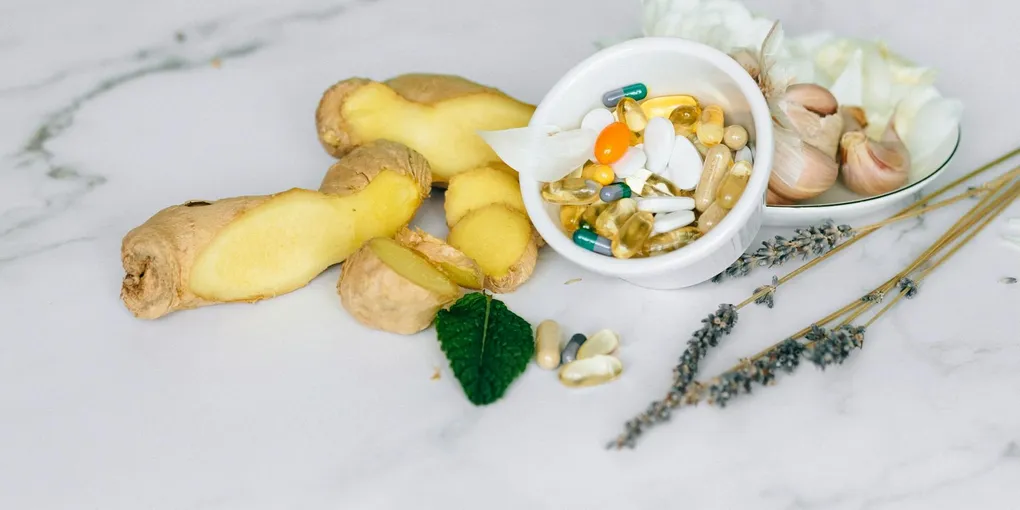
Nature's Way Valerian Root
Best OverallDose: 530 mg per capsule
$12–18 / 90 capsules
Quick Comparison
| Product | Key Specs | Price Range | Buy |
|---|---|---|---|
| Nature's Way Valerian Root Best Overall |
| $12–18 / 90 capsules | Check Price |
| Gaia Herbs Valerian Root Best Liquid Extract |
| $20–28 / 60 capsules | Check Price |
| Solaray Valerian Root Best Value |
| $10–15 / 100 capsules | Check Price |
| NOW Foods Valerian Root Best Budget |
| $8–12 / 100 capsules | Check Price |
Contains affiliate links — we may earn a small commission at no extra cost to you.
Best Valerian Root Supplement 2026: The Evidence-Based Buyer’s Guide
Valerian root (Valeriana officinalis) has been used as a sleep and anxiety remedy since ancient Greece. Modern research has accumulated 30+ clinical trials examining its effects on sleep. The conclusion: evidence is moderately positive for subjective sleep improvement, and the safety profile is excellent — but the quality gap between products is enormous.
Most valerian root supplements on the market use unstandardized root powder with unknown valerenic acid content. Valerenic acid is the primary bioactive marker responsible for GABA receptor modulation — the mechanism most likely underlying valerian’s anxiolytic and sedative effects. A supplement without standardization is essentially an unknown dose of an unknown concentration.
This guide covers what the research shows, what to look for on the label, and which products are worth buying.
The Science Behind Valerian Root
How It Works
Valerian root’s main mechanism is modulation of GABA (gamma-aminobutyric acid) — the brain’s primary inhibitory neurotransmitter. Studies show valerian extract:
- Inhibits the enzyme that breaks down GABA (GABA transaminase)
- Directly stimulates GABA release from nerve terminals
- Binds weakly to GABA-A and GABA-B receptors
- May interact with adenosine receptors (contributing to sedation)
This is a different mechanism from pharmaceutical GABA modulators (benzodiazepines, zolpidem), and the effect is far milder — which explains both the reduced side effect profile and the less dramatic acute effect.
Clinical Evidence
Bent et al. (2006, American Journal of Medicine) — Meta-Analysis: Reviewed 16 RCTs of valerian for sleep. Eleven trials showed statistically significant improvement in subjective sleep quality. No serious adverse effects across studies. Methodological quality varied; authors noted effect sizes were inconsistent but directionally positive.
Leathwood et al. (1982, Pharmacology Biochemistry and Behavior): One of the earliest RCTs: 400 mg aqueous valerian extract significantly reduced sleep latency and improved sleep quality ratings vs. placebo in poor sleepers, with no effect in normal sleepers.
Balderer & Borbely (1985): Polysomnographic study found valerian reduced slow-wave sleep latency and increased slow-wave sleep duration — the most restorative sleep stage.
Key limitation: Most studies use subjective sleep rating scales rather than polysomnography (objective sleep measurement). Placebo response is high in sleep studies. Effect sizes in the better-controlled trials are real but modest.
Practical conclusion: Valerian root is a reasonable first-line herbal sleep intervention with a favorable safety profile. Best results occur with consistent nightly use over 2–4 weeks. Works best for difficulty falling asleep and subjective sleep quality, less evidence for sleep maintenance. For a broader look at sleep hygiene practices that amplify herbal supplement effects, the sleep optimization guide is a useful companion resource.
What to Look for in a Valerian Root Supplement
Standardization
Look for 0.8% valerenic acid minimum. This is the most common standardization marker and ensures you’re getting a reproducible dose of the primary bioactive. Non-standardized “root powder” products may have minimal valerenic acid.
Dose
300–600 mg of standardized extract per dose. Studies show diminishing returns above 600 mg for sleep, and higher doses (600–900 mg) are more relevant for anxiety.
Form
- Capsules/tablets: Most convenient, consistent dosing
- Liquid extract (phyto-caps): Faster absorption, Gaia Herbs specializes in this format
- Tea: Very low dose, placebo effect may be a significant contributor — not recommended for therapeutic use
Third-party testing
Look for NSF, USP, UL, or Informed Sport certification. A 2023 ConsumerLab analysis of herbal supplements found significant label accuracy problems across the category — third-party testing is essential for valerian specifically.
Best Valerian Root Supplements 2026
1. Nature’s Way Valerian Root — Best Overall
Dose: 530 mg / capsule (recommended 2 capsules = 1,060 mg root + 125 mg extract) Standardization: 0.8% valerenic acid on the extract portion Third-party testing: TRU-ID botanical identity verification
Nature’s Way is a long-established brand with consistent quality control. Their valerian combines root powder with a standardized extract — a “whole herb plus extract” approach that many herbalists prefer for preserving the full phytochemical profile. TRU-ID verification confirms botanical authenticity (i.e., the plant is actually Valeriana officinalis, not a substitution — a real issue in the herbal supplement industry).
Mild, earthy flavor as expected from valerian. Take 30–60 minutes before bed.
2. Gaia Herbs Valerian Root — Best Liquid Extract
Dose: 400 mg full-spectrum liquid extract per 2 capsules Standardization: Full-spectrum liquid phytoextract (valerenic acid verified) Third-party testing: NSF Certified, B-Corp certified, supply chain verified
Gaia Herbs is an industry leader for herbal extract quality. Their phyto-cap format uses a liquid extract sealed in a vegetarian capsule — faster absorption than compressed root powder tablets. Their “Herb ID” program lets consumers scan a QR code and view the third-party testing data for their specific lot.
More expensive than standard capsule brands, but the manufacturing quality and transparency justify the premium for users who want maximum confidence in what they’re taking.
3. Solaray Valerian Root — Best Value
Dose: 470 mg (with 0.8% valerenic acid standardization) Third-party testing: Yes
Solaray provides standardized valerian at a mid-price point with solid manufacturing standards. Good for users who want standardized product without premium brand pricing. Take 2 capsules (940 mg total) 30 minutes before bed.
4. NOW Foods Valerian Root — Best Budget
Dose: 500 mg (0.8% valerenic acid) Third-party testing: UL Verified
NOW Foods is consistently reliable across their supplement line and UL Verification provides meaningful quality assurance. For budget-conscious buyers, NOW Foods valerian provides standardized product at the lowest per-capsule cost of any third-party-verified brand.
Valerian Root vs. Other Sleep Supplements
| Supplement | Mechanism | Onset | Evidence Level | Best For |
|---|---|---|---|---|
| Valerian root | GABA modulation | 2–4 weeks (cumulative) | Moderate | Subjective sleep quality, anxiety |
| Melatonin | Circadian signaling | 30–60 min | Strong | Sleep timing, jet lag |
| Magnesium glycinate | GABA + NMDA | Cumulative | Strong | Sleep quality, muscle relaxation |
| Glycine | Core temp + NMDA | 1st–3rd night | Moderate | Sleep onset, morning alertness |
| L-Theanine | Alpha wave + GABA | 30–60 min | Moderate | Pre-sleep anxiety, sleep quality |
Stacking Valerian Root
- Best Magnesium Supplement for Sleep — Magnesium glycinate + valerian is a well-tolerated GABA-supporting stack
- Best Sleep Supplement Stack for Insomnia — Full multi-ingredient protocol
- Best Ashwagandha Supplement — For daytime anxiety driving nighttime arousal
- Best Melatonin Supplement — Valerian + low-dose melatonin addresses both sleep quality and timing
Frequently Asked Questions
Does valerian root work for sleep? Moderate evidence supports improved subjective sleep quality in poor sleepers, with best results from consistent 2–4 week use. Effect sizes are modest compared to pharmaceuticals. Well-suited as a first-line herbal intervention.
What is the best valerian root dosage? 300–600 mg of standardized extract (0.8% valerenic acid) 30–60 minutes before bed. Allow 2–4 weeks for full effect with nightly use.
Is valerian root safe? Yes, for most adults at standard doses. No serious adverse effects in clinical trials up to 6 weeks. Mild side effects (vivid dreams, morning grogginess at high doses) in a minority of users. Not recommended during pregnancy or with alcohol or CNS depressants.
How is valerian root different from melatonin? Melatonin is a circadian timing hormone best for sleep onset and jet lag. Valerian acts on GABA receptors to reduce anxiety and improve sleep quality — it’s more sedative than timing-related. They work via different pathways and can be combined.
Does valerian root cause dependence? No dependence or withdrawal has been documented in clinical studies at standard doses. Unlike benzodiazepines (which also target GABA), valerian’s GABA modulation is indirect and does not produce tolerance or physical dependence at therapeutic doses.
What herbal supplements pair well with valerian? Passionflower and chamomile are the most frequently combined herbs with valerian — both support GABA signaling and anxiolysis through complementary pathways, and together they appear in many traditional sleep formulas.
Related Articles
- Best Magnesium Supplement for Anxiety and Sleep
- Best Sleep Supplement for Anxiety
- Best Tryptophan Supplement
- Best Lemon Balm Supplement
Frequently Asked Questions
- The evidence is mixed but directionally positive. Multiple RCTs show valerian root (300–600 mg) improves subjective sleep quality, sleep onset latency, and morning alertness compared to placebo. A 2006 meta-analysis of 16 RCTs found significant improvement in sleep quality without side effects. Effect sizes are modest, and individual response varies more than with pharmaceutical sleep aids. Best results are seen with consistent use over 2–4 weeks rather than single-dose use.
- 300–600 mg of valerian root extract taken 30–60 minutes before bed is the dose range used in clinical studies. Products should be standardized to at least 0.8% valerenic acid, the primary active compound. Higher doses (up to 900 mg) are used for anxiety; sleep studies typically use the lower end of this range.
- Unlike melatonin, valerian root often shows cumulative effects with consistent use. Some studies report better results after 2–4 weeks of nightly use vs. single-dose use. However, some users notice sleep onset improvement from the first or second dose. For best results, take it nightly for at least 2 weeks before assessing effectiveness.
- Valerian root has been used for centuries and clinical trials up to 6 weeks show no significant adverse effects. Long-term safety data beyond 6 weeks is limited but case reports of liver toxicity have been associated with combination herbal products (not pure valerian). At standard doses from reputable brands, valerian is considered safe for most adults. Not recommended during pregnancy.
- Yes. Valerian and melatonin work via different mechanisms — valerian primarily acts on GABA receptors, melatonin acts on circadian receptors. They can be taken together. Common sleep stacks include valerian (300–600 mg) + melatonin (0.5–1 mg) + magnesium glycinate. There are no established negative interactions between these supplements at standard doses.