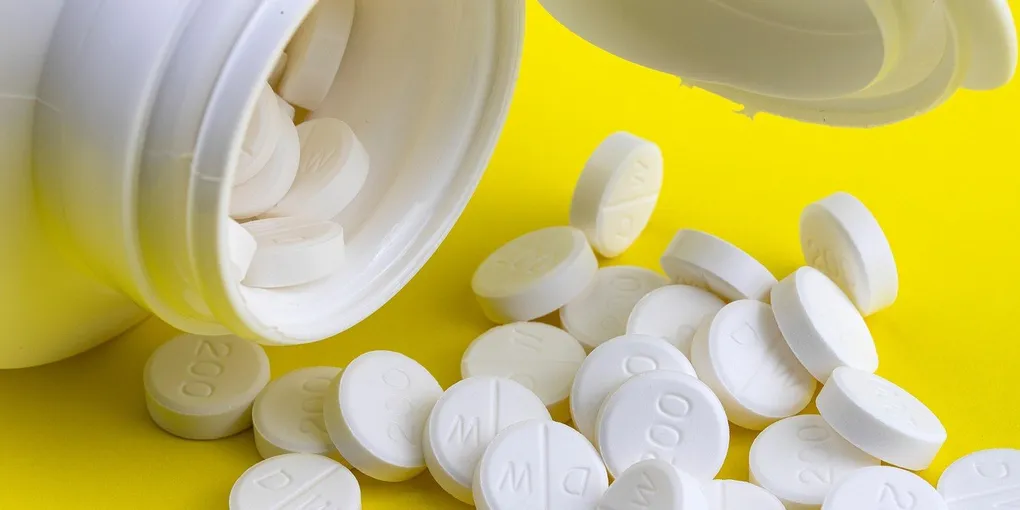
Thorne Vitamin D/K2 Liquid
Best Overall Vitamin D for WomenForm: Liquid D3 + K2 (MK-4)
$20–26 (1 fl oz / ~600 servings)
Quick Comparison
| Product | Key Specs | Price Range | Buy |
|---|---|---|---|
| Thorne Vitamin D/K2 Liquid Best Overall Vitamin D for Women |
| $20–26 (1 fl oz / ~600 servings) | Check Price |
| Sports Research Vitamin D3 + K2 Best Value D3 + K2 Softgel |
| $16–22 (360 softgels) | Check Price |
| Nordic Naturals Vitamin D3 Best Pure D3 Softgel |
| $14–18 (120 softgels) | Check Price |
| Garden of Life Vitamin D3 Spray Best Organic Spray D3 |
| $14–18 (1.16 fl oz / 48 servings) | Check Price |
| Nature Made Vitamin D3 2000 IU Best Budget Verified D3 |
| $8–12 (260 softgels) | Check Price |
Contains affiliate links — we may earn a small commission at no extra cost to you.
How We Score
We evaluate each product using a 5-factor G6 composite scoring system:
| Factor | Weight | What We Measure |
|---|---|---|
| Evidence Quality | 30% | Clinical evidence, study count, peer review status |
| Ingredient Transparency | 25% | Dosage accuracy, bioavailability, form effectiveness |
| Value | 20% | Cost per serving, price-to-quality ratio |
| Real-World Performance | 15% | Verified purchase reviews, third-party testing data |
| Third-Party Verification | 10% | Label accuracy, certifications, manufacturer credibility |
Best Vitamin D Supplements for Women 2026: Evidence-Based Guide
Vitamin D is not really a vitamin — it is a steroid hormone precursor that affects nearly every cell in the body. Women are disproportionately affected by vitamin D insufficiency: higher rates of indoor occupations, greater sunscreen adherence, pregnancy and lactation demands, and the accelerated bone loss of menopause all create higher vitamin D requirements and greater consequences of deficiency.
The connection between vitamin D and women’s health extends far beyond bones. Adequate vitamin D status is associated with reduced risk of breast cancer, ovarian cancer, autoimmune diseases (lupus, MS, Hashimoto’s thyroiditis — all of which are more common in women), depression, pregnancy complications, and hormonal dysregulation. Yet more than 40% of American women have insufficient serum 25(OH)D levels.
This guide identifies the best vitamin D supplements for women based on form (D3 only), dose appropriateness, bioavailability, and independent quality verification.
Why Vitamin D Matters Specifically for Women
Bone Health and Fracture Prevention
Osteoporosis affects 10 million Americans, 80% of whom are women. The accelerated bone loss that begins in perimenopause and continues post-menopause significantly increases fracture risk, particularly hip, spine, and wrist fractures. Vitamin D3 and calcium work together for bone formation — without adequate vitamin D, calcium absorption falls dramatically regardless of intake.
Bischoff-Ferrari et al. (2005, PMID 15572392) published a key meta-analysis in JAMA showing that vitamin D supplementation of at least 700–800 IU/day reduced hip fracture risk by 26% and nonvertebral fractures by 23% in older adults, with women showing strong protective effects. More recent analyses suggest 2,000 IU/day provides greater benefit for fracture prevention.
For women over 40 with specific bone density concerns, our dedicated guide to best calcium and vitamin D supplements for women over 40 covers therapeutic dosing and calcium combination protocols.
Hormonal and Reproductive Health
Vitamin D receptors are present throughout the reproductive system — ovaries, uterus, placenta, and pituitary gland. Emerging evidence suggests vitamin D deficiency is associated with:
- PCOS: Multiple studies show that women with PCOS have significantly lower vitamin D levels, and supplementation improves insulin sensitivity and menstrual regularity (Muscogiuri et al., 2012)
- Endometriosis: Somigliana et al. (2007) found significantly lower 25(OH)D in women with endometriosis
- Pregnancy outcomes: Vitamin D deficiency during pregnancy is associated with preeclampsia, gestational diabetes, preterm birth, and low birth weight. Women planning pregnancy should ensure vitamin D sufficiency before conception
Immune Function
Women have higher rates of autoimmune disease than men — roughly 8 of 10 autoimmune disease diagnoses occur in women. Vitamin D is a critical immunomodulator that helps prevent the immune dysregulation driving autoimmune conditions. Vitamin D receptors on immune cells regulate T-helper cell differentiation and inflammatory cytokine production. Supplementation to maintain 25(OH)D above 40–50 ng/mL is consistently associated with lower autoimmune disease incidence and severity.
Mood and Mental Health
Seasonal affective disorder (SAD) and vitamin D deficiency share a common seasonal pattern. Multiple studies link low vitamin D to depression, and supplementation trials show modest antidepressant effects. Shaffer et al. (2014, PMID 24738218) found that vitamin D supplementation significantly reduced depressive symptoms in women. For women using maca or adaptogens alongside vitamin D for mood support, see our best maca root for women guide.
The D3-K2 Synergy: Why Vitamin K2 Matters
Vitamin D3 increases calcium absorption from the gut. This is the intended effect for bone health — but without adequate vitamin K2, that additional calcium can be deposited in arterial walls and soft tissues rather than directed to bone. This is not theoretical: population studies link high vitamin D without adequate K2 to increased arterial calcification.
Vitamin K2 (especially MK-7 form, with a longer half-life than MK-4) activates osteocalcin (directs calcium into bone) and matrix Gla protein (keeps calcium out of arteries). Women supplementing D3 at doses of 2,000 IU or higher should pair it with K2 (90–200mcg MK-7/day).
For a comprehensive guide to the D3-K2 combination, see our best vitamin D3 K2 supplement article.
Best Vitamin D Supplements for Women: Reviewed
1. Thorne Vitamin D/K2 Liquid — Best Overall
Thorne’s Vitamin D/K2 Liquid delivers both D3 and K2 in a precisely dosed liquid format — one drop = 1,000 IU D3 + 200mcg K2 (MK-4 form). The liquid format in MCT oil provides exceptional bioavailability, and the precise drop-by-drop dosing allows women to adjust their intake exactly based on blood test results.
NSF Certified for Sport provides independent verification that the labeled doses are accurate and the product is free of contaminants and banned substances.
Label Analysis:
- D3: 1,000 IU per drop — adjust to 1–5 drops based on serum 25(OH)D levels
- K2: 200mcg MK-4 per drop — synergistic bone and cardiovascular benefit
- Base: MCT oil — optimal fat-soluble vitamin absorption
- No additives, no artificial ingredients
Value Analysis: $20–26 for approximately 600 servings (at 1 drop) or 120 servings at 5 drops/day (5,000 IU). At 2 drops/day (2,000 IU), this lasts approximately 300 days at ~$0.08/day — exceptional value for a liquid NSF-certified product.
Composite Score: 9.2/10
- Evidence Quality (30%): 10/10 — D3 + K2, evidence-aligned, flexible dosing
- Ingredient Transparency (25%): 10/10 — full label, MCT base, precise dosing
- Value (20%): 9/10 — exceptional value per dose at 2,000 IU
- Real-World Performance (15%): 9/10 — strong reviews, well-tolerated
- Third-Party Verification (10%): 10/10 — NSF Certified for Sport
Pros:
- Precise, adjustable dosing via liquid drops
- Includes K2 (MK-4) — bone and vascular synergy
- NSF Certified for Sport — rigorous independent verification
- Outstanding value per serving
Cons:
- Requires a dropper (not ideal for travel)
- K2 form is MK-4 (shorter-acting than MK-7); some evidence favors MK-7 for longer-acting cardiovascular effects
2. Sports Research Vitamin D3 + K2 — Best Value High-Dose Softgel
Sports Research delivers 5,000 IU D3 + 100mcg K2 (MK-7 form) in a cold-pressed coconut oil softgel — a genuinely high-quality formula at a budget-accessible price. The MK-7 form of K2 has a longer half-life than MK-4 and is more studied for cardiovascular protection in clinical trials.
Who it’s for: Women who have tested low vitamin D (<20 ng/mL) and need a higher-dose supplement to restore levels efficiently. Also appropriate for women with limited sun exposure who are maintaining rather than correcting deficiency.
Label Analysis:
- D3: 5,000 IU — therapeutic dose for correction of deficiency; reduces to 2–3x/week for maintenance after levels normalize
- K2: 100mcg MK-7 — Knapen et al. (2013, PMID 23525894) showed 3-year bone density protection with MK-7 supplementation in postmenopausal women
- Fat base: coconut oil — fat-soluble vitamin absorption optimized
Value Analysis: $16–22 for 360 softgels = $0.04–0.06/softgel. At $0.05/day this is the best price-per-dose for a combined D3+K2 product with MK-7.
Composite Score: 8.7/10
- Evidence Quality (30%): 9/10 — correct D3 form, evidence-aligned K2 MK-7
- Ingredient Transparency (25%): 9/10 — full label, quality fat base
- Value (20%): 10/10 — exceptional cost-per-dose
- Real-World Performance (15%): 9/10 — high-volume reviews, strong efficacy signals
- Third-Party Verification (10%): 7/10 — third-party tested but not NSF/USP certified
Sports Research Vitamin D3 + K2 →
3. Nordic Naturals Vitamin D3 — Best Clean 1,000 IU Option
Nordic Naturals delivers a clean, non-GMO verified 1,000 IU D3 softgel in extra virgin olive oil with third-party purity verification. This is the ideal maintenance dose product for women who:
- Already have confirmed sufficient 25(OH)D levels (>40 ng/mL) and want daily maintenance
- Are looking for a simple, single-vitamin D product without K2 (perhaps taking K2 separately)
- Want a well-known, trusted brand with clean certification
Composite Score: 8.2/10
- Evidence Quality (30%): 8/10 — correct D3 form, conservative maintenance dose
- Ingredient Transparency (25%): 9/10 — clean label, olive oil base, non-GMO
- Value (20%): 8/10 — slightly premium for basic D3 only
- Real-World Performance (15%): 9/10 — excellent reviews from a trusted brand
- Third-Party Verification (10%): 8/10 — third-party tested, non-GMO verified
4. Garden of Life Vitamin D3 Spray — Best Organic Spray
Garden of Life’s D3 spray delivers 1,000 IU per spray in a USDA Organic, Non-GMO formula. Oral spray absorption is slightly faster than softgel due to some sublingual absorption, and the spray format is ideal for women who have difficulty swallowing capsules or softgels.
Composite Score: 7.9/10
Garden of Life Vitamin D3 Spray →
5. Nature Made Vitamin D3 2000 IU — Best Budget USP-Verified
Nature Made’s 2,000 IU D3 softgel is USP Verified — independent third-party confirmation of label accuracy and manufacturing standards. At $8–12 for a year’s supply, it is the most cost-accessible USP-verified vitamin D product available. The 2,000 IU dose is appropriate for most women as a maintenance dose after correcting deficiency.
Composite Score: 7.8/10
Nature Made Vitamin D3 2000 IU →
Vitamin D for Women: Comparison Table
| Feature | Thorne D/K2 Liquid | Sports Research | Nordic Naturals | Garden of Life | Nature Made |
|---|---|---|---|---|---|
| D3 Dose | 1,000 IU/drop (adjustable) | 5,000 IU | 1,000 IU | 1,000 IU | 2,000 IU |
| Includes K2 | Yes (MK-4, 200mcg) | Yes (MK-7, 100mcg) | No | No | No |
| Base | MCT oil | Coconut oil | Olive oil | Organic blend | Soybean oil |
| Third-Party | NSF Certified | Third-party tested | Third-party tested | USDA Organic | USP Verified |
| Cost/day | ~$0.08 | ~$0.05 | ~$0.12 | ~$0.30 | ~$0.03 |
| Score | 9.2/10 | 8.7/10 | 8.2/10 | 7.9/10 | 7.8/10 |
How to Use Vitamin D: Dosing Protocol for Women
Step 1 — Test first: Get a serum 25(OH)D test before supplementing. This is a standard blood test covered by most insurance as part of a wellness panel.
Interpretation:
- < 20 ng/mL: Deficient — consider 4,000–6,000 IU/day with medical supervision
- 20–30 ng/mL: Insufficient — 2,000–3,000 IU/day recommended
- 30–50 ng/mL: Adequate — 1,000–2,000 IU/day maintenance
- 50–80 ng/mL: Optimal — 1,000 IU/day maintenance or occasional supplementation
Step 2 — Retest at 8–12 weeks: Confirm levels are rising appropriately. Adjust dose if still insufficient.
Step 3 — Take with fat: Vitamin D is fat-soluble — always take with a meal containing fat (olive oil, nuts, avocado) for best absorption.
Step 4 — Add K2: If taking 2,000+ IU D3 daily, pair with 90–200mcg vitamin K2 (MK-7 preferred for longer half-life) to direct calcium into bones and away from arteries.
For women combining vitamin D with broader hormonal and immune support, see our best multivitamin for women guide to ensure comprehensive micronutrient coverage.
Frequently Asked Questions
Why do women need vitamin D?
Vitamin D supports bone formation (via calcium absorption), immune function, hormonal health, and mood regulation. Women are at higher deficiency risk due to pregnancy demands, sunscreen use, indoor lifestyles, and postmenopausal bone loss acceleration. More than 40% of American women have insufficient serum 25(OH)D levels.
How much vitamin D should women take daily?
The RDA is 600–800 IU, but clinical evidence supports 1,500–2,000 IU/day for most adults to maintain sufficiency (>30 ng/mL). Women with confirmed deficiency (<20 ng/mL) may need 4,000–6,000 IU/day for 8–12 weeks to restore levels, then reduce to 2,000 IU/day maintenance. Always test before and after supplementing.
Should women take D3 or D2?
D3 always. Vitamin D3 (cholecalciferol) is approximately 87% more potent than D2 at raising and maintaining serum 25(OH)D levels. D3 is the form produced by skin from sunlight exposure and is universally preferred over D2 for supplementation.
Do women need vitamin K2 with vitamin D?
Yes, particularly at doses of 2,000 IU or higher. Vitamin D increases calcium absorption; K2 (MK-7 form) ensures that calcium goes into bones rather than arterial walls. The combination is especially important for women over 40 who face both bone density loss and cardiovascular risk.
The Bottom Line
For most women, Thorne Vitamin D/K2 Liquid is the best overall choice — NSF-certified, precisely dosed, includes synergistic K2, and costs under $0.10/day at a 2,000 IU maintenance dose. Women who have confirmed deficiency and need a high-dose option should use Sports Research D3+K2 at 5,000 IU — the best price-per-dose at therapeutic strength.
Get a serum 25(OH)D test before supplementing, and retest 8–12 weeks after starting to confirm your levels are responding appropriately.
Disclaimer: This content is for informational purposes only and is not medical advice. Consult your healthcare provider before starting vitamin D supplementation, especially at doses above 2,000 IU/day.
Related Articles
- Best DHEA Supplement for Women
- Best Vitamin K2 Supplement
- Best Vitamin C Supplement
- Best Protein Powder for Weight Loss: Women’s Top Picks
Frequently Asked Questions
- Vitamin D supports calcium absorption for bone formation, immune function, muscle strength, and mood regulation. Women are at higher risk for vitamin D deficiency than men due to lower outdoor activity, higher sunscreen use, pregnancy and lactation demand, and postmenopausal bone loss. NHANES data shows that approximately 40% of Americans have insufficient vitamin D levels (<20 ng/mL), with higher rates in women. Vitamin D deficiency in women is specifically linked to increased fracture risk, depression, autoimmune conditions (particularly lupus, MS, and thyroid disease), and poor pregnancy outcomes. Holick et al. (2011, PMID 21763149) established vitamin D insufficiency thresholds and comprehensive supplementation guidance.
- The RDA for vitamin D is 600–800 IU/day, but clinical evidence and major endocrinology societies recommend substantially higher amounts for most adults. The Endocrine Society (Holick et al., 2011) recommends 1,500–2,000 IU/day for most adults to maintain serum 25(OH)D levels above 30 ng/mL. For women with confirmed deficiency (<20 ng/mL), therapeutic doses of 4,000–6,000 IU/day for 8–12 weeks (under medical supervision) are commonly used to restore levels, followed by a maintenance dose of 2,000 IU/day. Blood testing is the only reliable way to determine optimal supplementation — serum 25(OH)D testing is widely available and inexpensive.
- D3 (cholecalciferol) is the preferred form. Multiple head-to-head studies show D3 raises and maintains serum 25(OH)D levels more effectively than D2 (ergocalciferol). Tripkovic et al. (2012, PMID 22552031) — a systematic review and meta-analysis — found that vitamin D3 was approximately 87% more potent than D2 in raising serum 25(OH)D. D3 is also the form produced in human skin via sunlight exposure. Nearly all premium supplements now use D3, but D2 is still found in some prescription vitamin D products — these are less effective for long-term maintenance.
- Yes — vitamin K2 is strongly recommended alongside vitamin D supplementation. D3 increases calcium absorption, but K2 (particularly the MK-7 form) ensures that calcium is directed into bones rather than soft tissues and arterial walls. This K2-mediated calcium regulation is clinically important, particularly for women at risk for both osteoporosis and cardiovascular disease. Vermeer (2012, PMID 22516723) reviewed the mechanistic evidence for K2-mediated bone and vascular health. For a deep dive into the D3-K2 combination, see our [best vitamin D3 K2 supplement guide](/blog/best-vitamin-d3-k2-supplement/).
- Vitamin D deficiency often presents subtly. Common symptoms in women include bone or joint aches, muscle weakness, chronic fatigue, depressed mood (particularly seasonal affective patterns), frequent infections, hair loss, and brain fog. More severe deficiency causes osteomalacia (bone softening) and significantly increases fracture risk. Because these symptoms overlap with many other conditions, serum 25(OH)D testing is essential for diagnosis rather than treating symptoms empirically. Women with any of these symptoms, particularly combined with limited sun exposure, should test their vitamin D levels before deciding on supplementation dose.