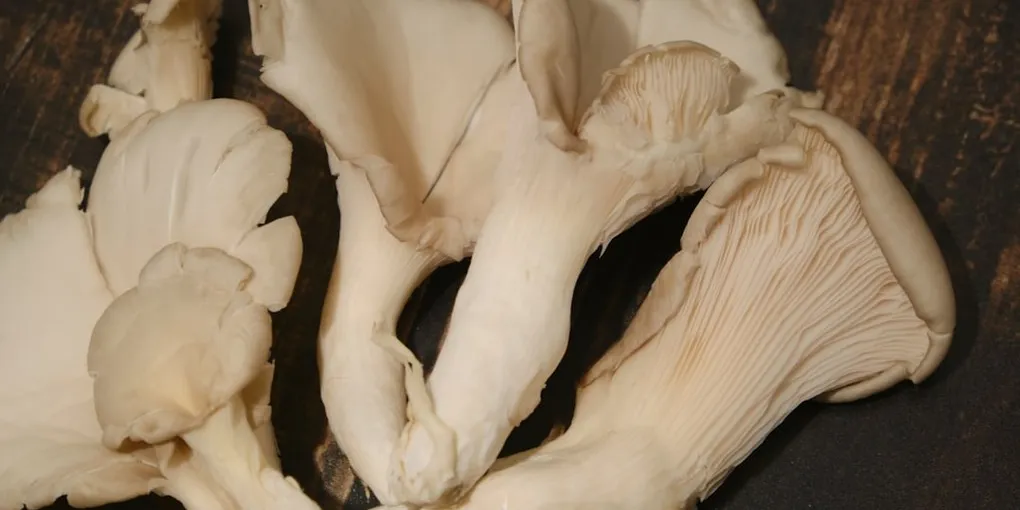
Real Mushrooms Lion's Mane (Fruiting Body)
Best for Cognitive FunctionActive Compounds: Hericenones, Erinacines (NGF-stimulating)
$30–40 / 60 capsules (500mg each)
Quick Comparison
| Product | Key Specs | Price Range | Buy |
|---|---|---|---|
| Real Mushrooms Lion's Mane (Fruiting Body) Best for Cognitive Function |
| $30–40 / 60 capsules (500mg each) | Check Price |
| Real Mushrooms Reishi (Dual Extract) Best for Sleep & Immunity |
| $30–40 / 60 capsules (500mg each) | Check Price |
| Host Defense MyCommunity (Lion's Mane + Reishi Stack) Best Combined Formula |
| $40–55 / 60 capsules | Check Price |
Contains affiliate links — we may earn a small commission at no extra cost to you.
Lion’s Mane vs Reishi: Which Mushroom Supplement Is Right for You?
Lion’s mane and reishi are the two most researched medicinal mushrooms in human clinical trials. Both have real evidence behind them. But they work through fundamentally different mechanisms, produce different effects, and target different outcomes.
This is not a “one is better” comparison. It’s a guide to understanding which mushroom — or whether both — fits your specific goals.
What Are Medicinal Mushrooms?
Medicinal mushrooms are fungal species with documented pharmacologically active compounds — primarily beta-glucan polysaccharides, triterpenes, and in the case of lion’s mane, unique compounds called hericenones and erinacines.
Unlike culinary mushrooms grown for flavor, medicinal mushroom supplements are produced from specific species with standardized active compound concentrations. The active compound profile varies dramatically by species:
- Lion’s mane (Hericium erinaceus) is primarily characterized by hericenones (in the fruiting body) and erinacines (in the mycelium), both of which stimulate nerve growth factor (NGF) synthesis.
- Reishi (Ganoderma lucidum) is primarily characterized by high-molecular-weight polysaccharides (beta-glucans) and triterpenes (ganoderic acids), which modulate immune function and inflammatory pathways.
These distinct compound profiles mean the two mushrooms have largely non-overlapping primary effects.
Lion’s Mane: The Cognitive Mushroom
What the Research Shows
Lion’s mane is the most extensively studied mushroom for cognitive function and neurological health. Its mechanism of action is unusually well characterized: hericenones and erinacines stimulate the synthesis of nerve growth factor (NGF), a protein critical for the growth, maintenance, and survival of neurons.
Kawagishi and Zhuang, 2008 (Chemical Record, doi:10.1002/tcr.20141) identified these compounds and demonstrated their ability to induce NGF synthesis in vitro. The subsequent clinical question was whether oral supplementation could produce meaningful neurological effects.
The landmark clinical trial: Mori et al., 2009 (Phytotherapy Research, doi:10.1002/ptr.2634) conducted a double-blind, placebo-controlled trial of 30 adults with mild cognitive impairment (MCI). Participants received 3g/day of lion’s mane fruiting body powder or placebo for 16 weeks. The lion’s mane group showed significant improvements on the Revised Hasegawa Dementia Scale (p<0.001) compared to placebo, with no significant adverse effects. Scores declined after supplementation stopped, suggesting the benefit requires ongoing use.
For mood and anxiety: Nagano et al., 2010 (Biomedical Research, doi:10.2220/biomedres.31.231) examined 30 women who consumed lion’s mane cookies (2g equivalent/day) for 4 weeks. The group showed significantly lower scores on depression and anxiety scales compared to placebo. This may reflect the same NGF mechanism — NGF promotes the survival and function of neurons in brain regions associated with mood regulation.
Evidence limitations: Most human trials use high doses (1–3g/day) and specific populations (older adults with MCI). The cognitive benefits in healthy young adults are less well established, though the neurological mechanism would apply to anyone.
Label Analysis
The critical label consideration for lion’s mane is fruiting body vs. mycelium-on-grain substrate.
- Hericenones are found almost exclusively in the fruiting body. Products using mycelium grown on grain substrate (oats, brown rice) contain high amounts of starch and beta-glucans, but low to negligible hericenone content.
- Many popular lion’s mane products — including several from major supplement brands — use grain-substrate mycelium. The beta-glucan content on the label may be accurate, but beta-glucans from grain starch are not the same as the hericenones responsible for NGF stimulation.
- Look for: “fruiting body” explicitly stated, verified beta-glucan content ≥15% (not from grain), and ideally third-party testing for active compounds.
Composite Score: Lion’s Mane (Real Mushrooms)
| Factor | Weight | Score | Contribution |
|---|---|---|---|
| Evidence Quality | 30% | 8.5 | 2.55 |
| Ingredient Transparency | 25% | 8.0 | 2.00 |
| Value | 20% | 8.5 | 1.70 |
| Real-World Performance | 15% | 8.5 | 1.28 |
| Third-Party Verification | 10% | 7.5 | 0.75 |
| Composite | 8.3/10 |
Verdict: Strong evidence base with a well-characterized mechanism. Product quality varies dramatically — fruiting body sourcing is mandatory.
Reishi: The Immune and Adaptogen Mushroom
What the Research Shows
Reishi’s primary evidence base is in immune modulation and adaptogenic stress response, with secondary evidence for sleep and fatigue.
The immunomodulatory mechanism is centered on reishi’s beta-glucan polysaccharides, which activate macrophages, natural killer (NK) cells, and dendritic cells via toll-like receptors and Dectin-1. Gao et al., 2003 (Journal of Medical Food, PMID: 14977463) demonstrated that reishi polysaccharides increased NK cell activity in patients with advanced cancer, with effects seen at 4 weeks.
For fatigue reduction: Tang et al., 2005 (Life Sciences, doi:10.1016/j.lfs.2005.06.021) found Ganoderma lucidum polysaccharides reduced fatigue and improved quality-of-life scores in cancer patients undergoing chemotherapy. The mechanism likely involves anti-inflammatory and antioxidant effects rather than direct stimulant activity — reishi reduces the physiological cost of stress rather than providing energy.
For sleep: Cui et al., 2012 (Journal of Ethnopharmacology, doi:10.1016/j.jep.2012.07.009) found reishi spore powder (1.5g/day) improved sleep quality, sleep time, and sleep efficiency over 4 weeks in cancer patients. The proposed mechanism involves modulation of serotonergic pathways — reishi does not produce sedation directly but reduces hyperactivation of stress systems that delay sleep onset.
Evidence limitations: Much of reishi’s clinical evidence comes from populations under physiological stress (cancer patients). Whether the same effects translate to healthy adults seeking general wellness benefits is a reasonable extrapolation but not directly confirmed at the same effect sizes.
Label Analysis
Two key considerations for reishi:
-
Dual extraction. Reishi’s active compounds fall into two categories: polysaccharides (water-soluble) and triterpenes (fat-soluble ganoderic acids). A water-only extraction product captures polysaccharides but misses triterpenes. A dual-extraction product (water + alcohol extraction) captures both. The triterpenes are associated with anti-inflammatory, hepatoprotective, and anti-anxiety effects — they are not optional if you want the full reishi profile.
-
Beta-glucan vs. polysaccharide labeling. Not all polysaccharides are bioactive beta-glucans. A product labeled “30% polysaccharides” may include non-active starch polysaccharides. Look for products that specify beta-glucan content rather than total polysaccharides.
Composite Score: Reishi (Real Mushrooms Dual Extract)
| Factor | Weight | Score | Contribution |
|---|---|---|---|
| Evidence Quality | 30% | 8.0 | 2.40 |
| Ingredient Transparency | 25% | 8.0 | 2.00 |
| Value | 20% | 8.5 | 1.70 |
| Real-World Performance | 15% | 8.0 | 1.20 |
| Third-Party Verification | 10% | 7.5 | 0.75 |
| Composite | 8.1/10 |
Verdict: Solid immune and sleep support with well-characterized mechanisms. Dual extraction is a non-negotiable quality marker.
Head-to-Head Comparison
| Feature | Lion’s Mane | Reishi |
|---|---|---|
| Primary Mechanism | NGF synthesis, neurogenesis | Immune modulation, adaptogen |
| Cognitive Benefits | Strong — multiple RCTs | Indirect (via stress reduction) |
| Sleep Benefits | Mild (anxiety reduction) | Moderate — direct serotonergic effect |
| Immune Support | Moderate (beta-glucans) | Strong — NK cell activation |
| Stress/Anxiety | Moderate (Nagano et al., 2010) | Moderate (adaptogenic) |
| Onset | 2–4 weeks for subjective effects | 1–4 weeks |
| Effective Dose | 500mg–3g/day (fruiting body) | 500mg–2g/day (dual extract) |
| Cost/Serving (quality) | $0.50–1.50 | $0.50–1.50 |
| Best For | Cognitive performance, neurological health | Immune support, sleep, chronic stress |
Who Should Choose Lion’s Mane
Lion’s mane is the better primary choice if your goal is:
- Cognitive performance — memory, focus, mental clarity, especially over a multi-week protocol
- Neurological health or prevention — supporting nerve health, particularly relevant for aging adults or those with cognitive concerns
- Mood and anxiety where the root cause may be neuroplasticity or neural inflammation rather than acute stress
- Studying, creative work, or sustained focus where NGF-driven improvements in neural circuit function are the target
It is less appropriate as a primary choice for pure immune support, sleep, or stress adaptation.
Who Should Choose Reishi
Reishi is the better primary choice if your goal is:
- Immune support — especially during periods of high physiological demand, illness recovery, or seasonal immune challenges
- Sleep quality — particularly stress-related sleep disruption, where reducing physiological arousal matters more than direct sedation
- Chronic stress adaptation — reishi acts as a true adaptogen, normalizing the biological cost of ongoing stress without stimulation
- Inflammation management — the triterpenes in dual-extracted reishi have meaningful anti-inflammatory effects
It is less appropriate as a primary choice for acute cognitive performance or direct focus enhancement.
The Case for Stacking Both
Because lion’s mane and reishi operate through largely non-overlapping mechanisms, they are genuinely complementary:
- Lion’s mane in the morning: NGF stimulation, focus support, cognitive priming
- Reishi in the evening: immune modulation, physiological stress recovery, sleep onset support
This combination — lion’s mane AM, reishi PM — is one of the most commonly reported and biochemically coherent mushroom stacking protocols. There is no known pharmacological interaction between the two compounds. Quality combination products like Host Defense MyCommunity include both in a standardized multi-mushroom matrix, though individual products allow better dose control.
Frequently Asked Questions
Can you take lion’s mane and reishi together?
Yes — they are commonly stacked. Lion’s mane and reishi work through different mechanisms with no known adverse interactions. Lion’s mane primarily supports neurogenesis via NGF stimulation while reishi modulates immune function and supports sleep via adaptogenic pathways. Taking lion’s mane in the morning (for focus) and reishi in the evening (for sleep and immune support) is a well-established protocol.
How long does it take for lion’s mane to work?
Most research using lion’s mane for cognitive outcomes uses 4–16 week protocols before measuring results. Mori et al., 2009 (doi:10.1002/ptr.2634) observed significant cognitive improvements at 16 weeks with 3g/day fruiting body. Some users report subjective improvements in focus within 2–4 weeks at 500mg–1g/day, consistent with the time needed for NGF upregulation to drive meaningful neuroplastic changes.
Does reishi actually help sleep?
Yes, with caveats. Cui et al., 2012 (doi:10.1016/j.jep.2012.07.009) found reishi spore powder improved sleep quality in cancer patients, with effects attributed to modulation of serotonergic pathways. The mechanism is adaptogenic, not sedative — reishi does not directly induce sedation but reduces physiological stress that impairs sleep onset. Effects are more pronounced in individuals with stress-driven sleep disruption than in those with primary insomnia.
What should I look for on a lion’s mane supplement label?
The two key indicators are: (1) fruiting body as the source, not mycelium-on-grain — the hericenones and erinacines responsible for NGF stimulation are concentrated in the fruiting body; and (2) verified beta-glucan content (>15% is a reasonable minimum). Cheap products often use grain-substrate mycelium, which contains mostly starch and has minimal active compound content. A third-party-verified product is strongly preferred.
Is lion’s mane or reishi better for anxiety?
The evidence slightly favors lion’s mane for anxiety, but the two work differently. Nagano et al., 2010 (doi:10.2220/biomedres.31.231) found lion’s mane at 2g/day over 4 weeks reduced anxiety and depression scores in women, possibly via NGF-mediated neuroregeneration. Reishi’s anxiolytic effects are primarily adaptogenic — reducing cortisol and physiological stress load. For anxiety with a cognitive/neurological component, lion’s mane may be more targeted; for anxiety driven by chronic stress and overactivation, reishi is a reasonable primary choice.
Final Verdict
Best for cognitive function: Lion’s mane — the NGF mechanism is the most direct and well-evidenced pathway from a supplement to cognitive improvement in the medicinal mushroom category.
Best for immune support and sleep: Reishi — the polysaccharide-driven immune activation is supported by multiple human trials, and the sleep-supporting effects via adaptogenic stress reduction are clinically documented.
Best overall strategy: Stack both. These are not competing choices — they are complementary tools targeting different systems. Lion’s mane AM + reishi PM is a well-supported, safe, and cost-effective approach to broad-spectrum nervous system and immune health.
| Product | Composite Score | Best For |
|---|---|---|
| Real Mushrooms Lion’s Mane | 8.3/10 | Cognitive function, neurological health |
| Real Mushrooms Reishi | 8.1/10 | Immune support, sleep, stress |
| Host Defense MyCommunity | 8.0/10 | All-in-one convenience (less dose control) |
Last updated: March 2026. Scores and recommendations are based on published peer-reviewed research. Individual results may vary. Consult a healthcare provider before adding supplements, particularly if managing a medical condition or taking immunomodulating medications.
Frequently Asked Questions
- Yes — they are commonly stacked. Lion's mane and reishi work through different mechanisms with no known adverse interactions. Lion's mane primarily supports neurogenesis via NGF stimulation while reishi modulates immune function and supports sleep via adaptogenic pathways. Taking lion's mane in the morning (for focus) and reishi in the evening (for sleep and immune support) is a well-established protocol.
- Most research using lion's mane for cognitive outcomes uses 4–16 week protocols before measuring results. Mori et al., 2009 (doi:10.1002/ptr.2634) observed significant cognitive improvements at 16 weeks with 3g/day fruiting body. Some users report subjective improvements in focus within 2–4 weeks at 500mg–1g/day, consistent with the time needed for NGF upregulation to drive meaningful neuroplastic changes.
- Yes, with caveats. Cui et al., 2012 (doi:10.1016/j.jep.2012.07.009) found reishi spore powder improved sleep quality in cancer patients, with effects attributed to modulation of serotonergic pathways. The mechanism is adaptogenic, not sedative — reishi does not directly induce sedation but reduces physiological stress that impairs sleep onset. Effects are more pronounced in individuals with stress-driven sleep disruption than in those with primary insomnia.
- The two key indicators are: (1) fruiting body as the source, not mycelium-on-grain — the hericenones and erinacines responsible for NGF stimulation are concentrated in the fruiting body; and (2) verified beta-glucan content (>15% is a reasonable minimum). Cheap products often use grain-substrate mycelium, which contains mostly starch and has minimal active compound content. A ConsumerLab or third-party-verified product is strongly preferred.
- The evidence slightly favors lion's mane for anxiety, but the two work differently. Nagano et al., 2010 (doi:10.2220/biomedres.31.231) found lion's mane at 2g/day over 4 weeks reduced anxiety and depression scores in women, possibly via NGF-mediated neuroregeneration. Reishi's anxiolytic effects are primarily adaptogenic — reducing cortisol and physiological stress load. For anxiety with a cognitive/neurological component, lion's mane may be more targeted; for anxiety driven by chronic stress and overactivation, reishi is a reasonable primary choice.